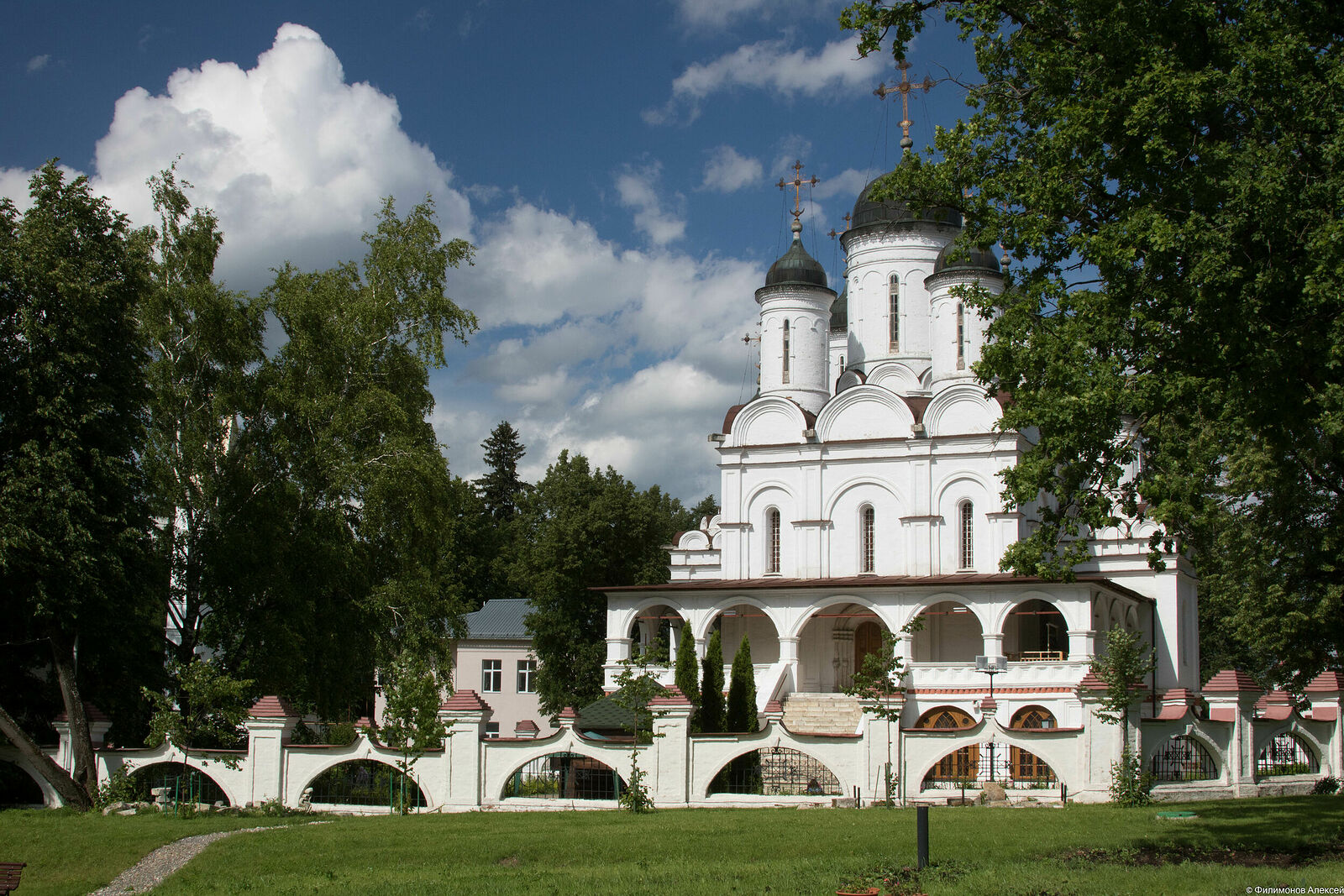
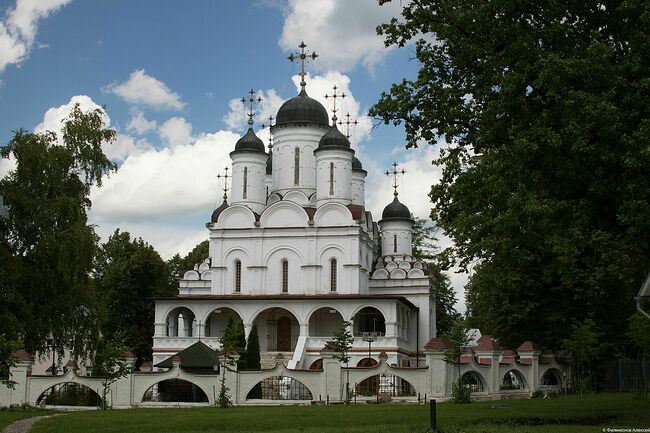
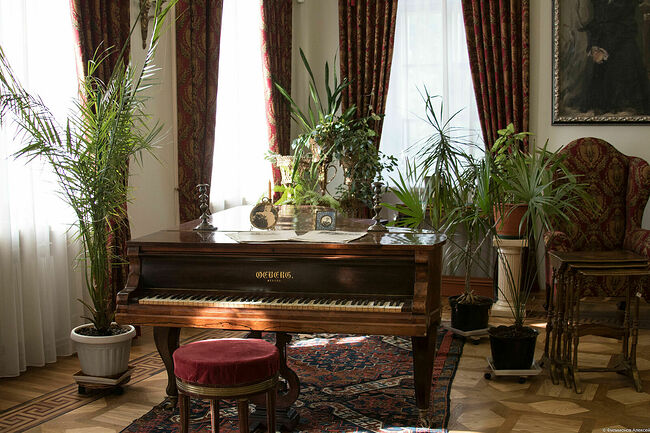
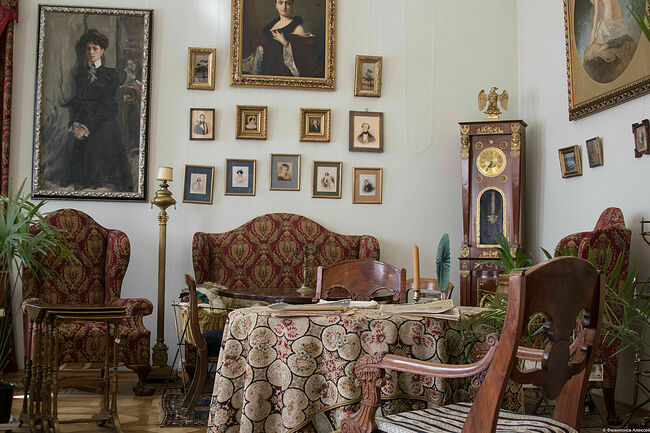
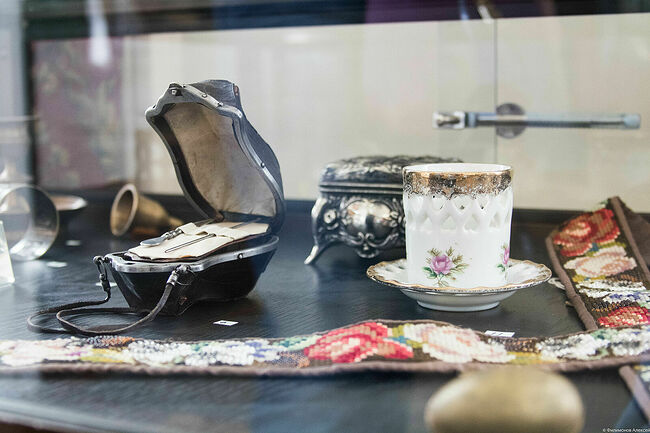
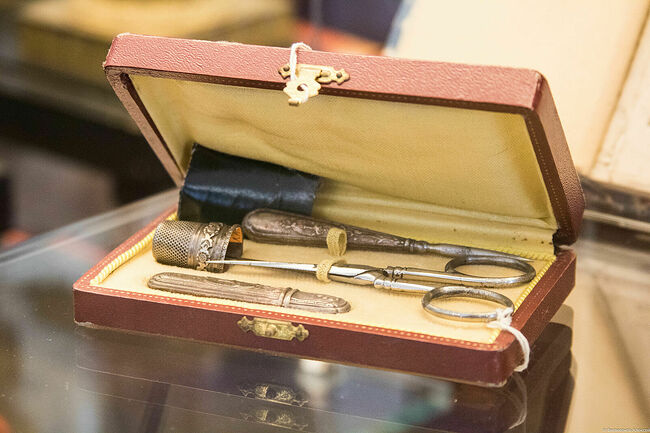
This is a truly atmospheric place with a nearly 500-year history, where the destinies of tsars, noble families, and a great Russian poet are intertwined.
The first mentions of Vyazemy date back to the 16th century. At that time, it was the last station on the Great Smolensk Road (later the Mozhaisk Highway) outside Moscow.
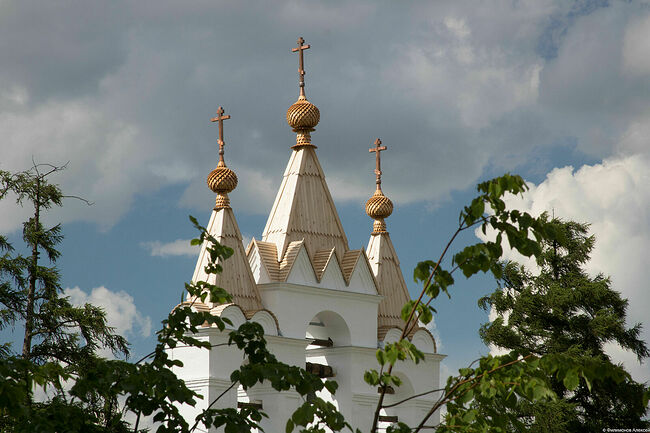
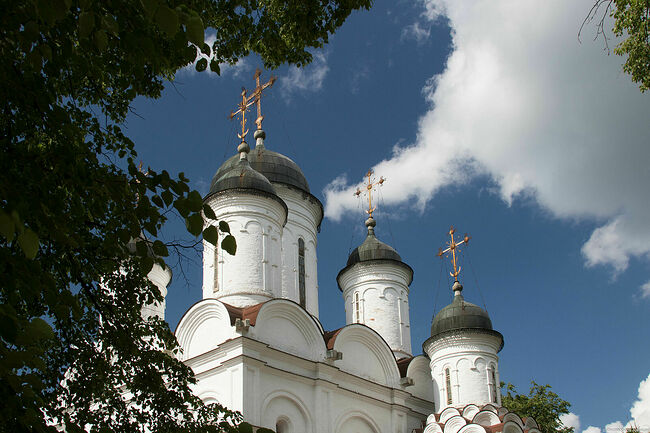
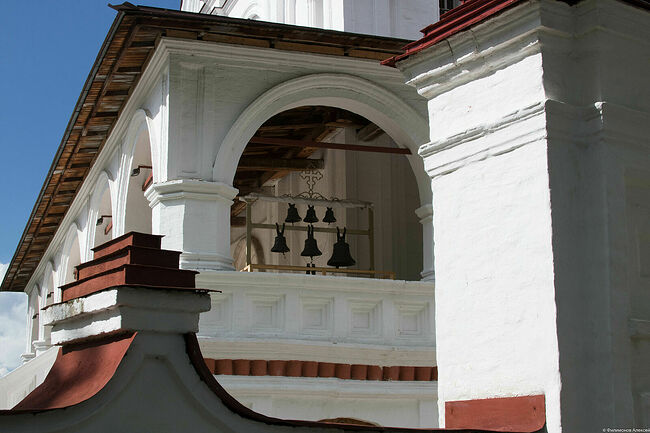
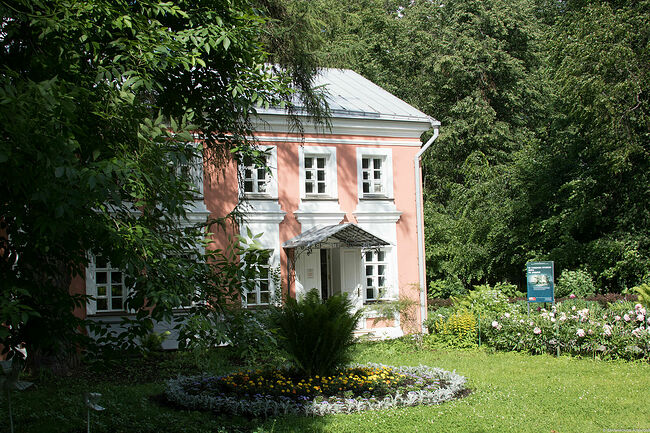
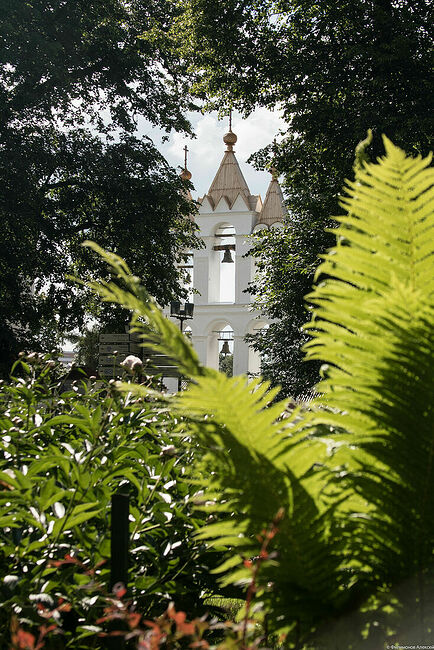
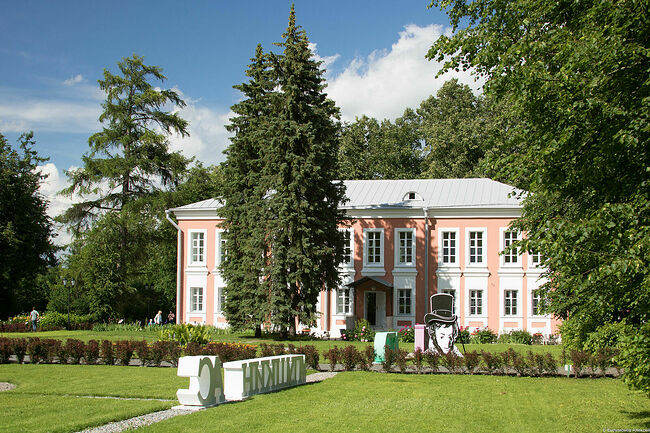
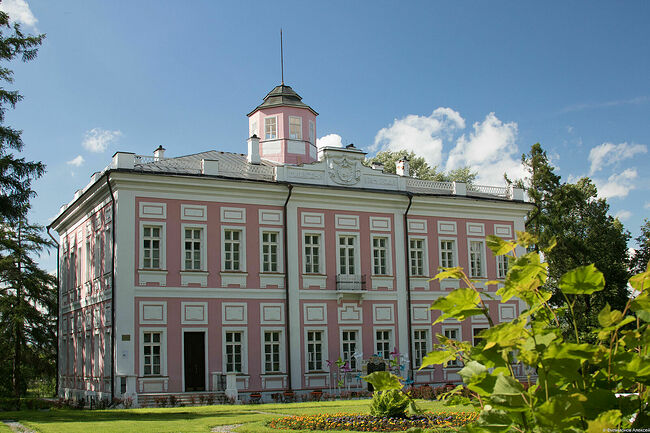
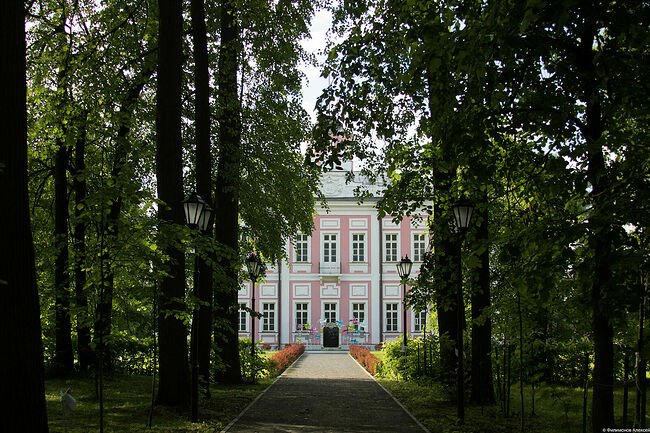
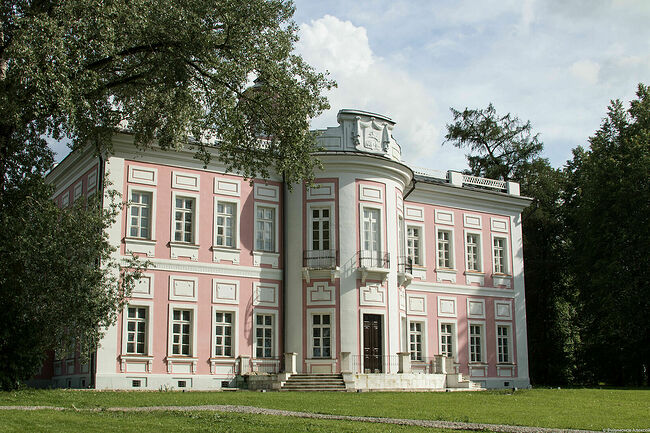
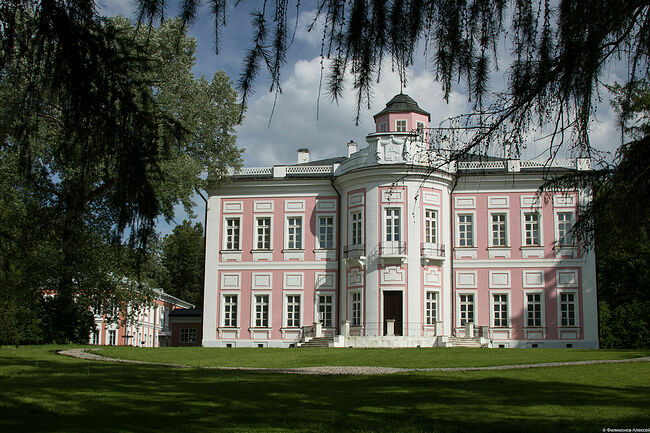
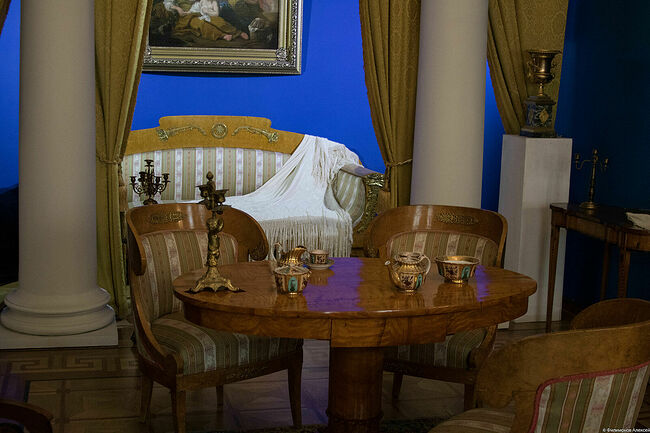
The Godunov Era. At the end of the 16th century, Tsar Feodor Ivanovich handed the village over to Boris Godunov. He launched a major construction project: he erected a wooden tower, laid out a garden, and began construction of the stone Church of the Life-Giving Trinity (consecrated in 1600). At the same time, a two-tiered bell tower was built in the Pskov style, unusual for the Moscow region. A moat was dug and a rampart erected around the buildings, giving the estate the appearance of a fortress. During the Time of Troubles, False Dmitry I occupied the estate, and later a major fire destroyed the wooden buildings. The Golitsyns. In 1694, Peter the Great granted the estate to his tutor, Prince Boris Golitsyn. The estate later passed to his great-grandson, Nikolai, and under his rule a new era began: in 1771, two brick outbuildings were built next to the old mansion, and in 1784, a stone main house in the French classical style of Louis XVI was built, along with a formal park with avenues. In 1797, Paul I visited the estate—after this visit, the main house received the right to be called a palace.
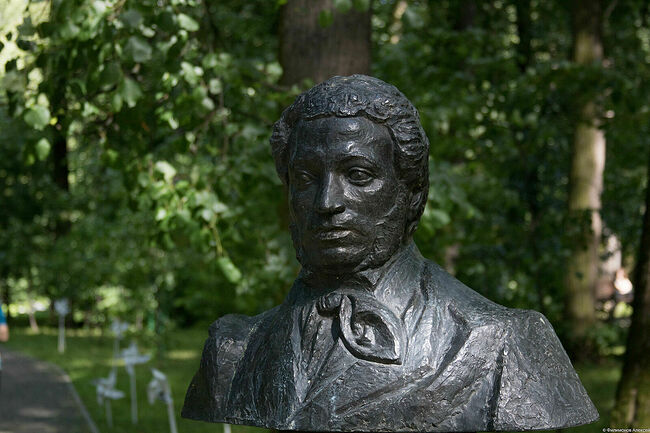
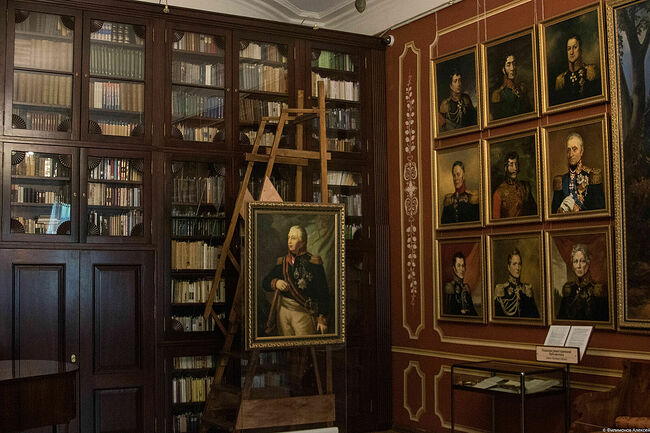
The 19th century and Pushkin. In 1812, after the Battle of Borodino, Mikhail Kutuzov stayed at the estate, followed by the French army, led by Napoleon. The estate has a special history with Pushkin: his grandmother, Maria Gannibal, lived nearby in Zakharovo. Since there was no church in Zakharovo, the future poet's family regularly attended services at the Vyazma church. Here, near the walls of the Church of the Transfiguration of the Savior (as the church was reconsecrated under the Golitsyns), Pushkin's younger brother, Nikolai, was buried in 1807. Pushkin scholars believe that Bolshie Vyazmy served as the prototype for Eugene Onegin's estate. Natalya Petrovna Golitsyna, the inspiration for the Queen of Spades, also frequented the place. Other famous guests included Nikolai Gogol, Leo Tolstoy, and Valery Bryusov.