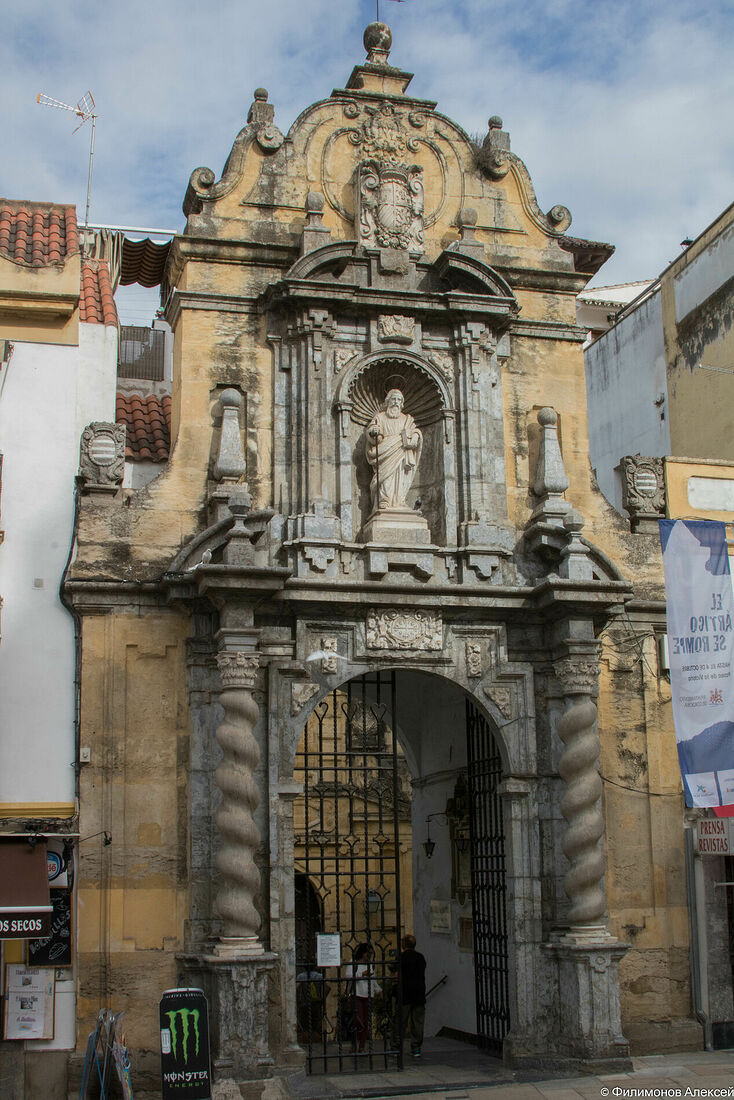
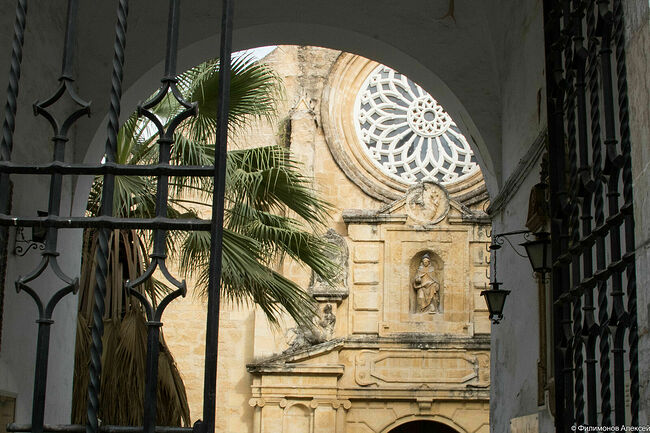
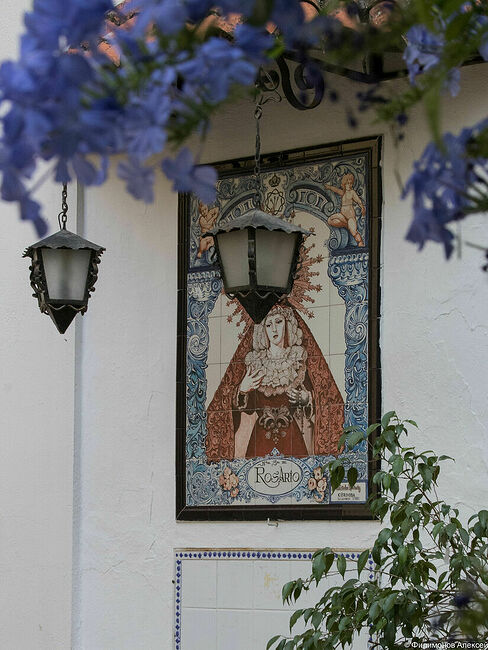
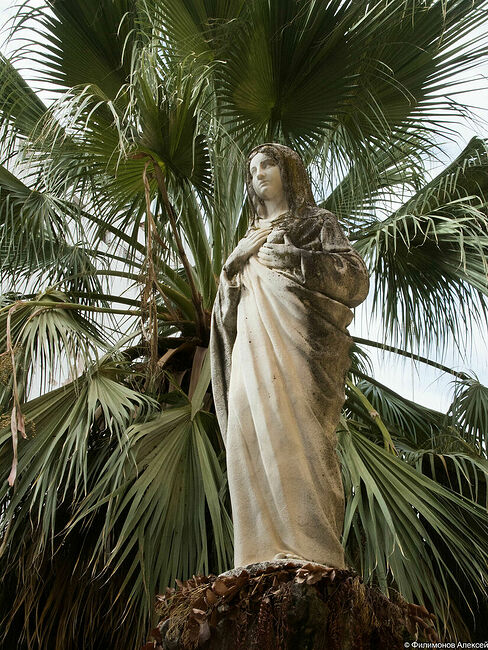
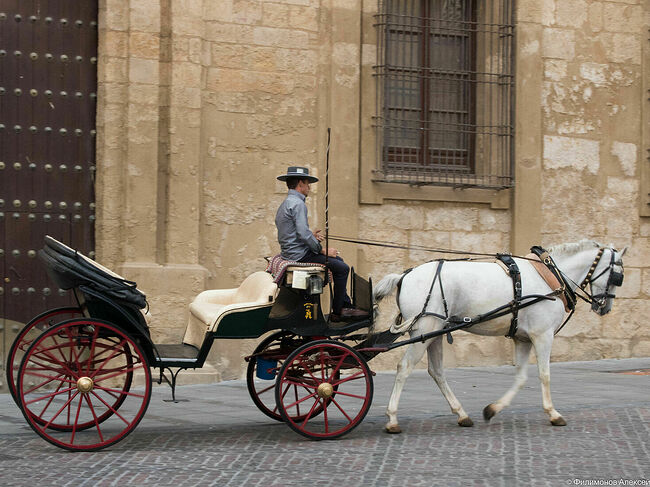
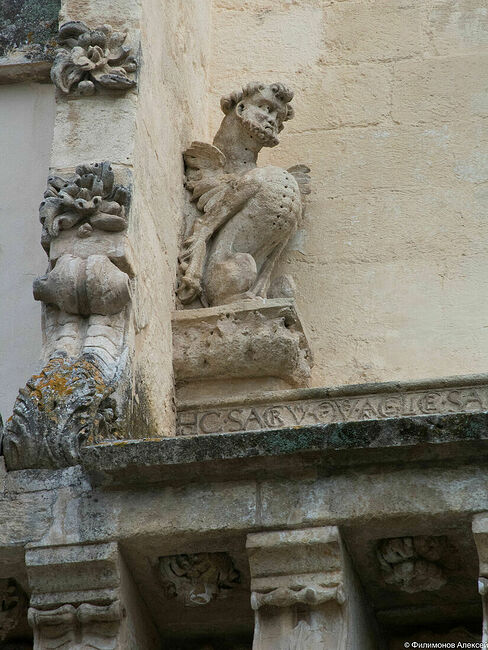
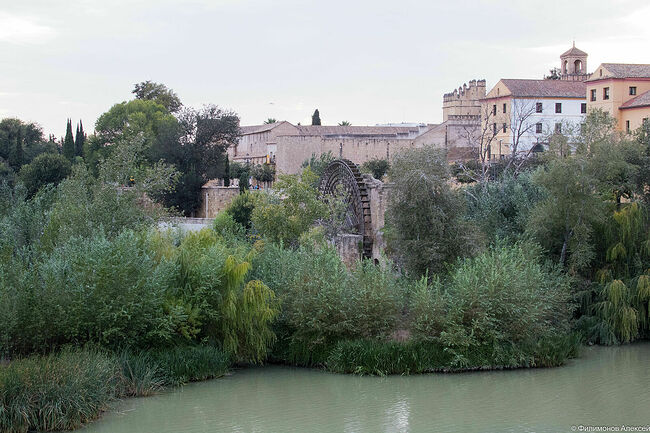
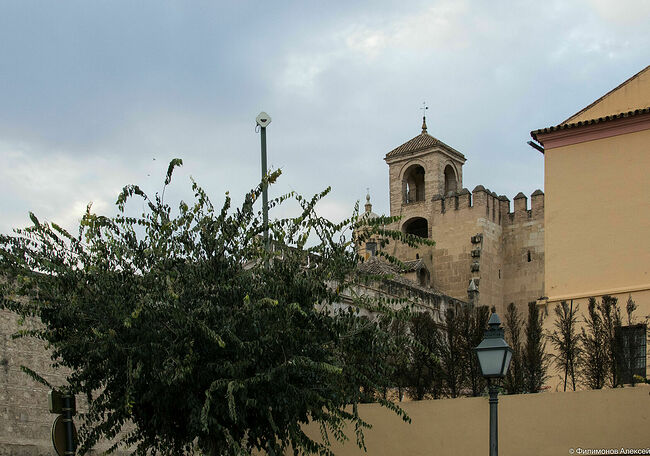
Cordoba is a true open-air museum, where the Roman past, Islamic gold, and Christian Spain intertwine. The city is located in the autonomous community of Andalusia, on the right bank of the Guadalquivir River, at the foot of the Sierra Morena mountain range. Cordoba's history spans thousands of years. Even before the Romans, the Turdetani tribe lived here. During the Roman Empire, the city was named Corduba and became an important center, and under Emperor Augustus, the capital of the province of Baetica. Later, it was captured by the Vandals, Visigoths, Byzantines, and, in 711, by the Muslims.
Where I was:
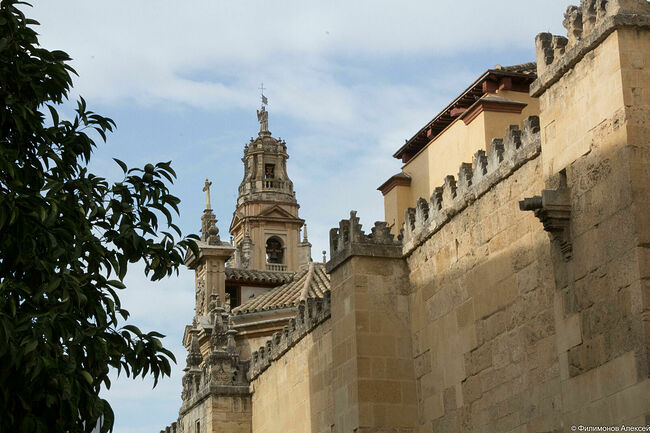
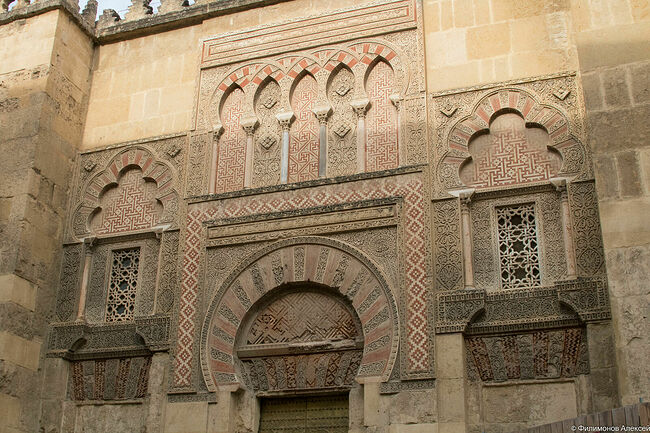
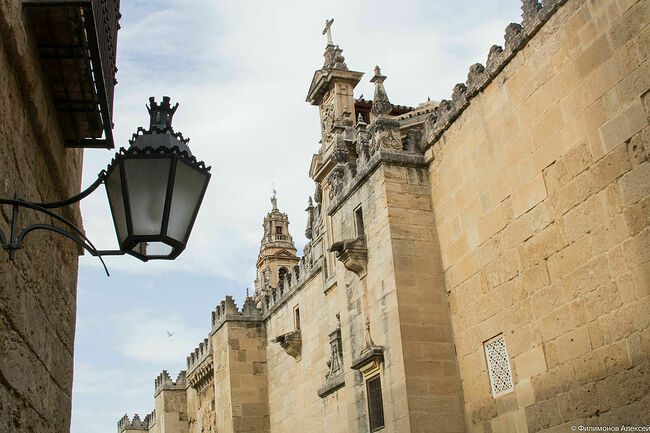
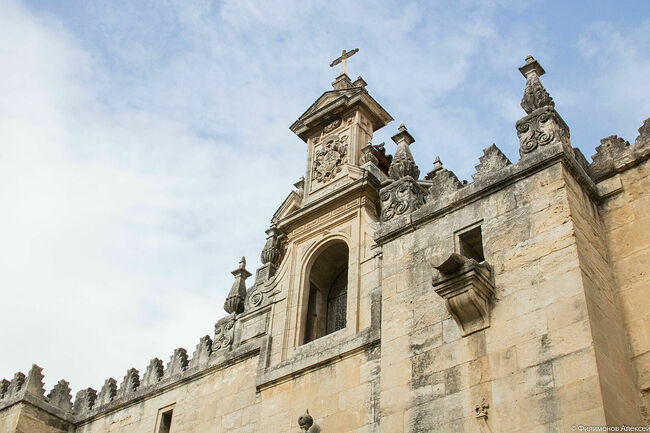
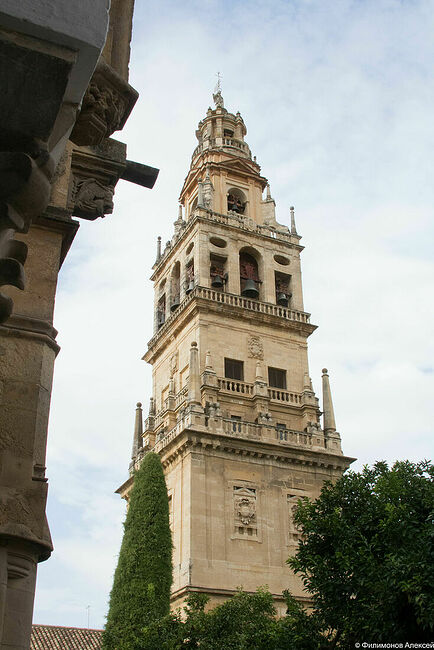
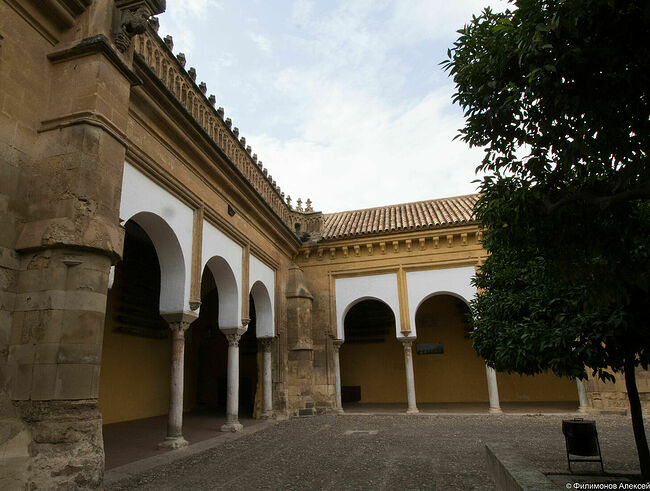
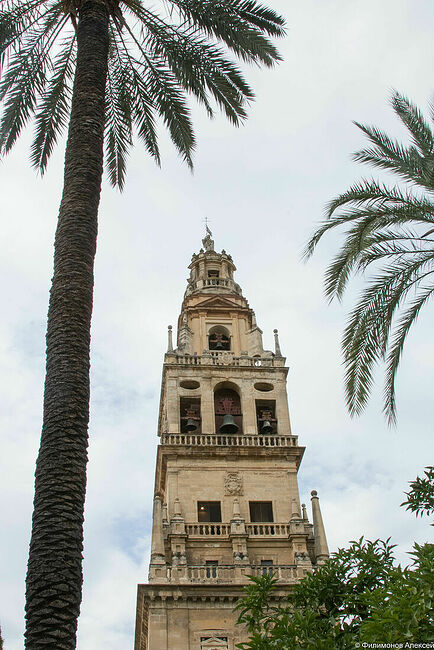
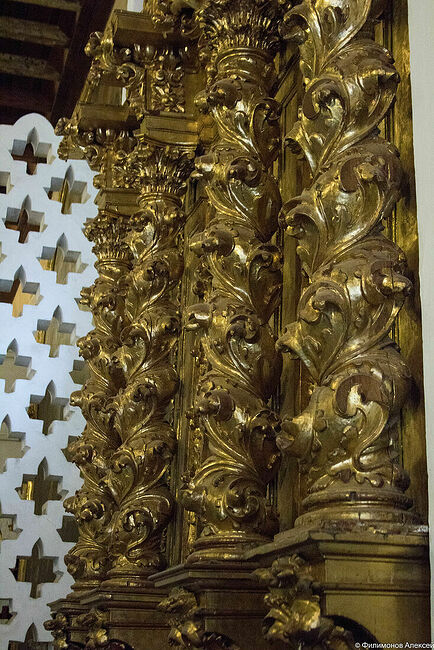
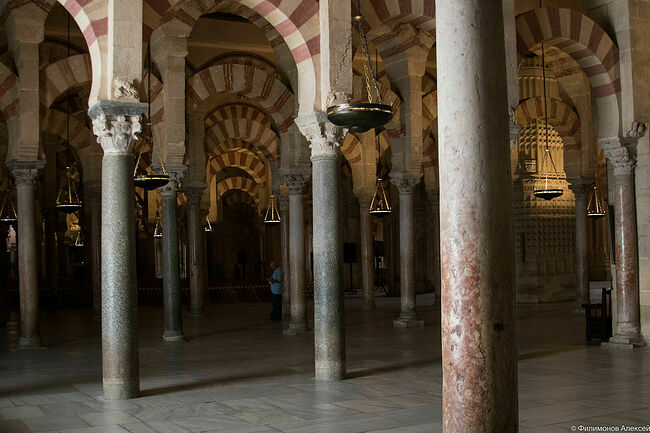
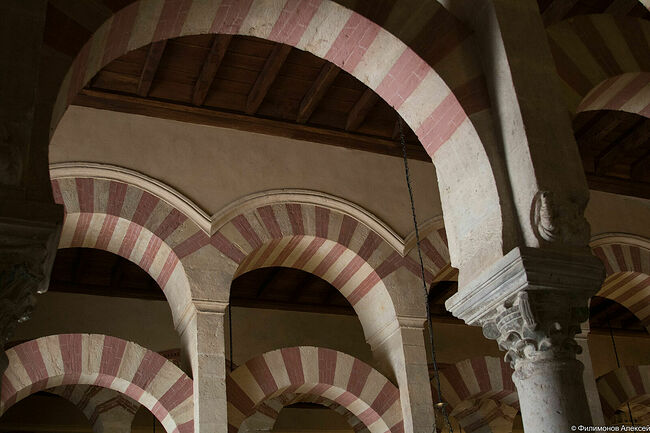
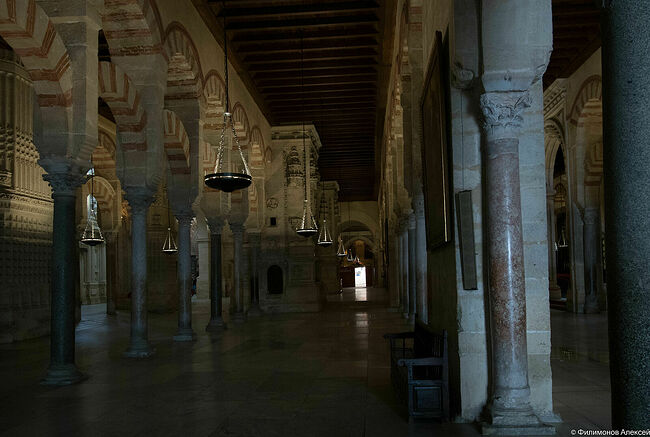
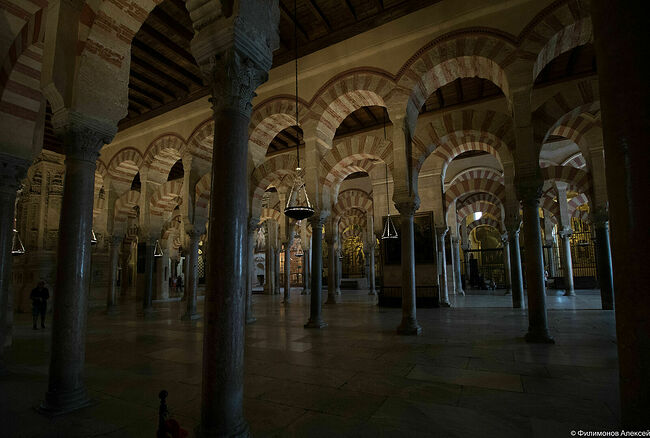
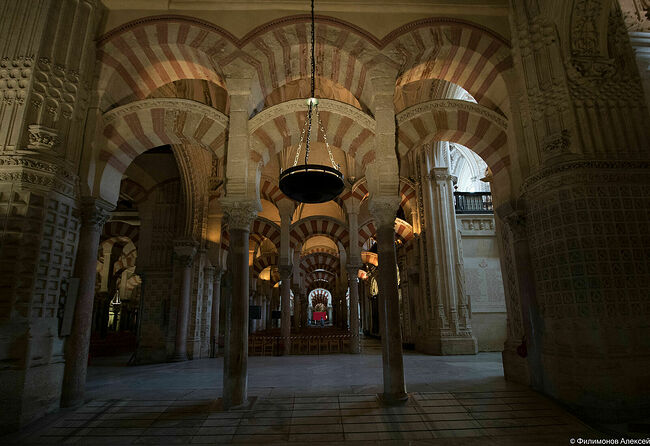
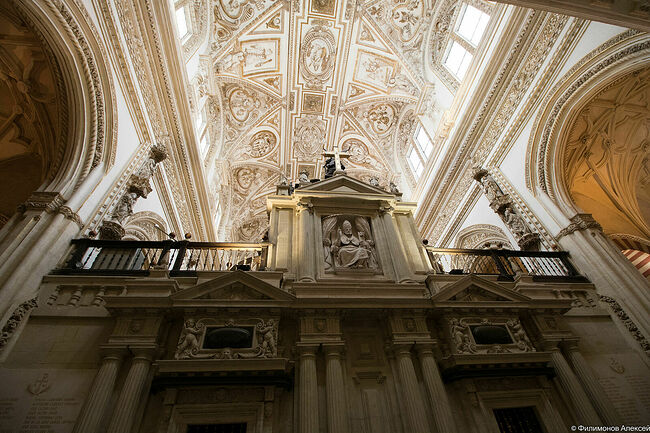
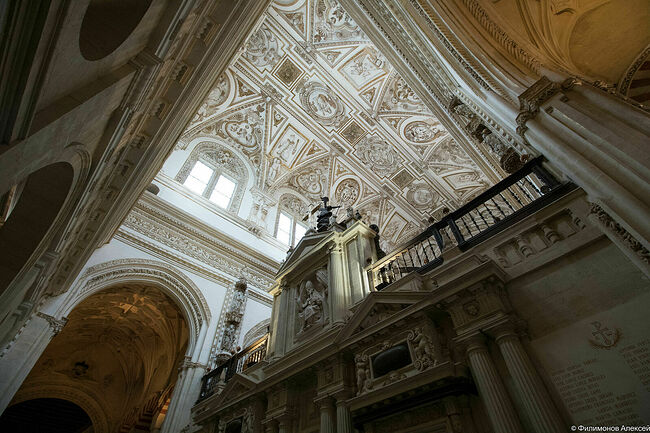
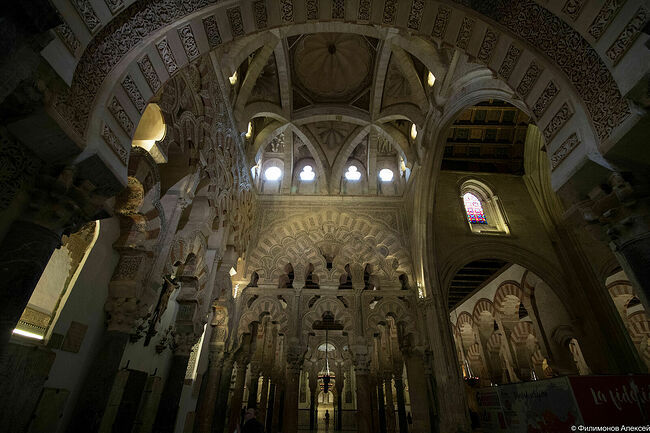
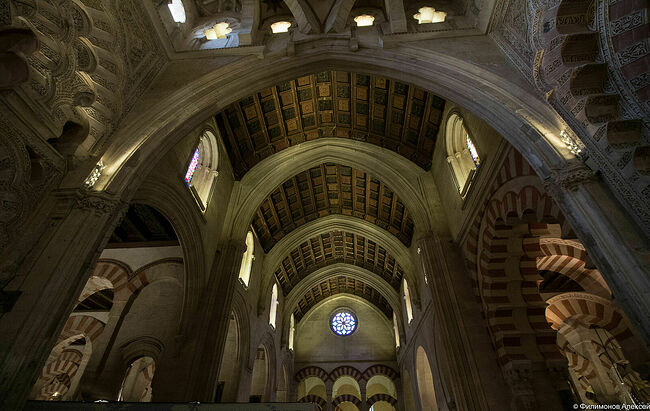
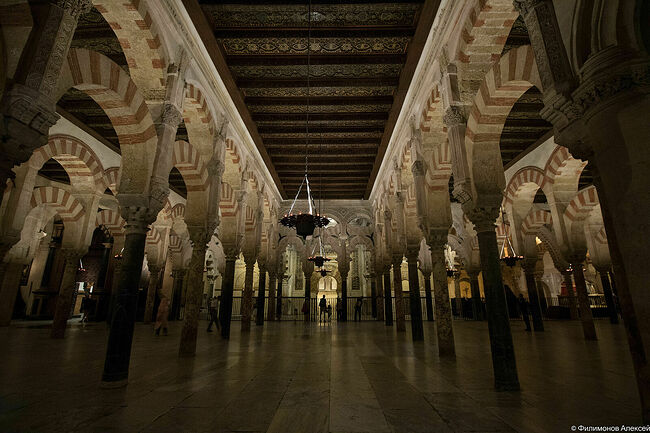
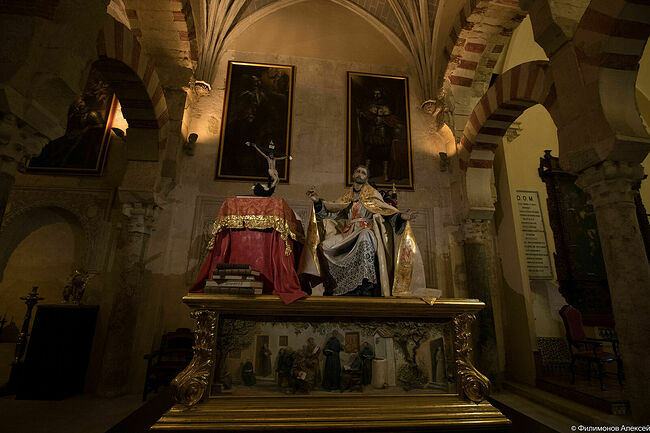
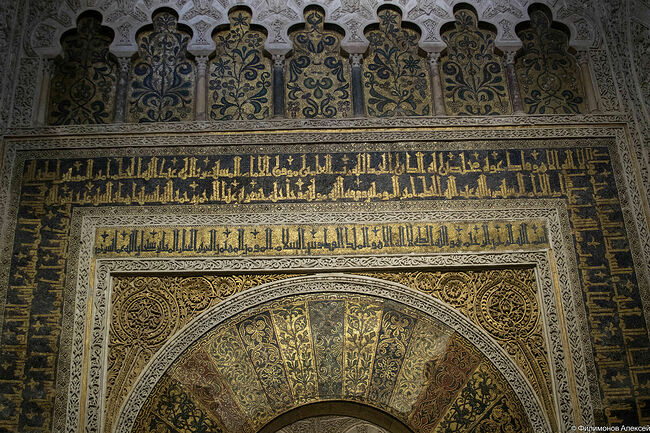
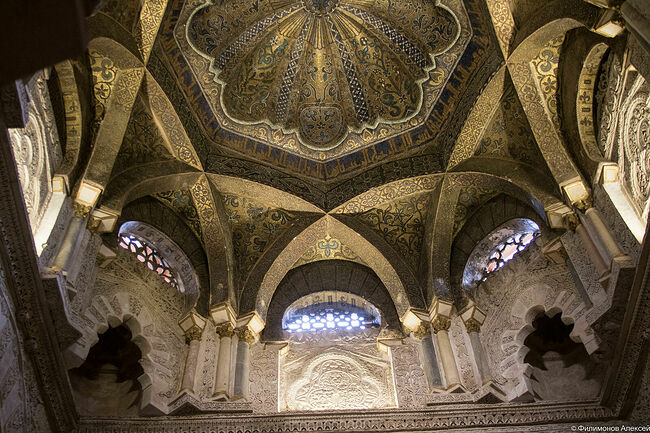
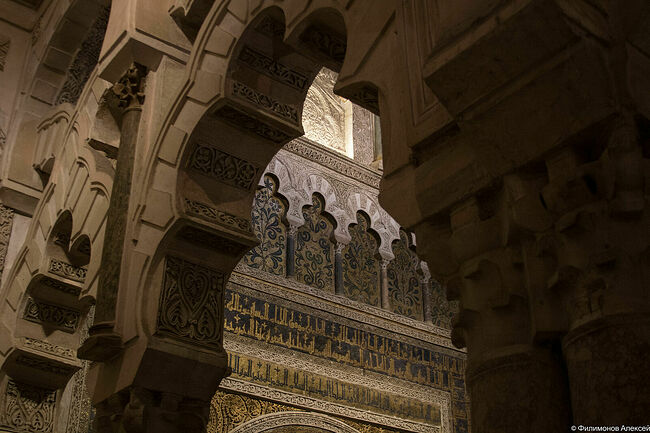
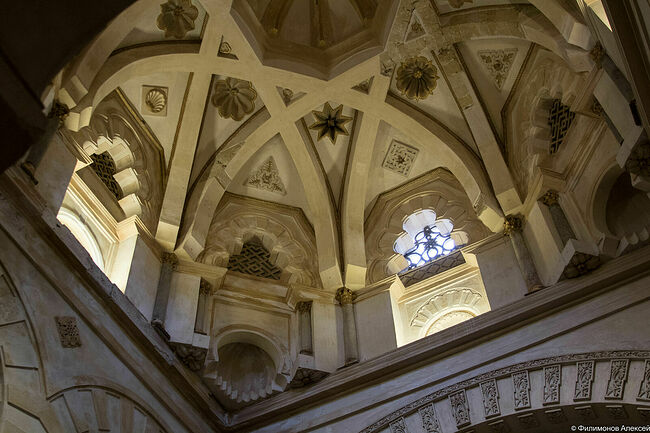
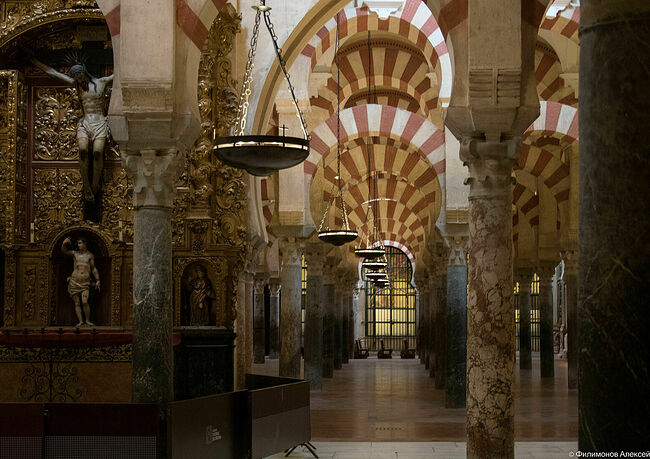
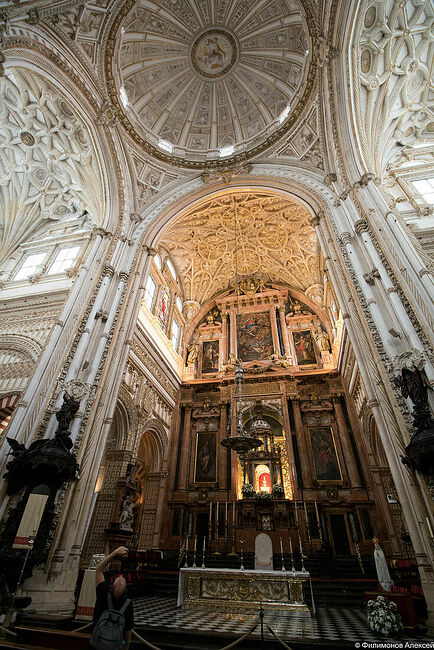
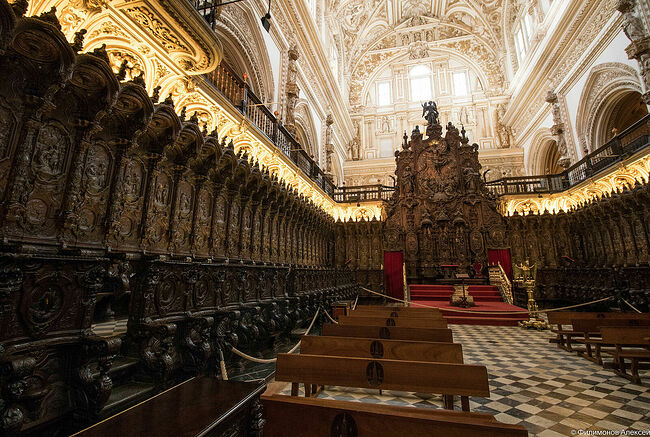
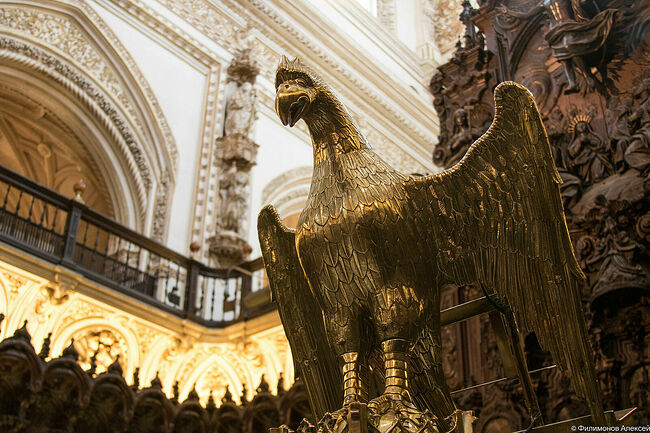
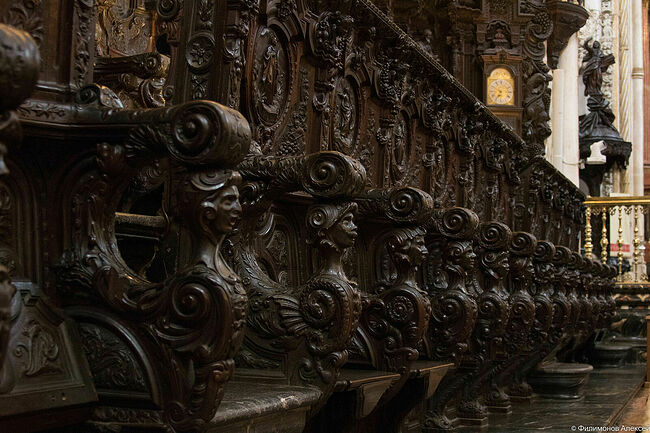
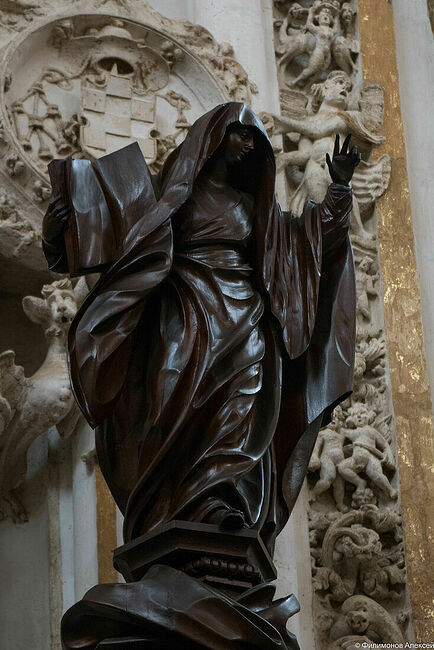
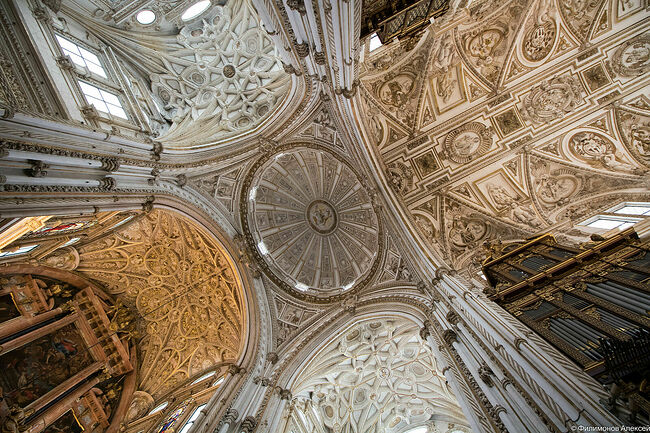
The Mezquita (Cathedral Mosque of Cordoba). This is perhaps the city's main calling card. The Moors began building it in the 8th century as a great mosque. Inside, you'll see over 850 columns and distinctive red-and-white horseshoe arches—a striking example of the synthesis of Islamic and Christian elements. After the Reconquista, the mosque was consecrated as a Catholic cathedral.
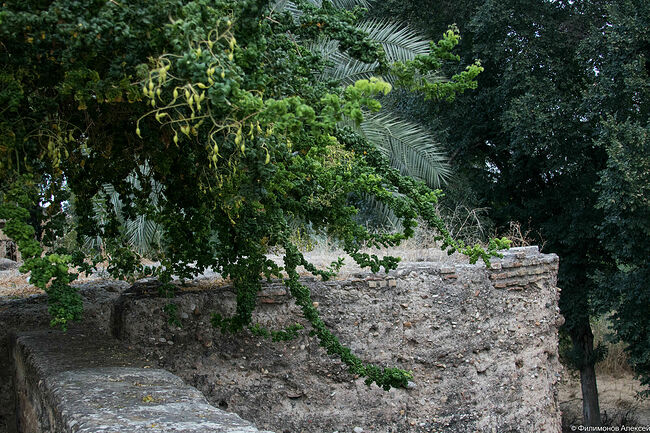
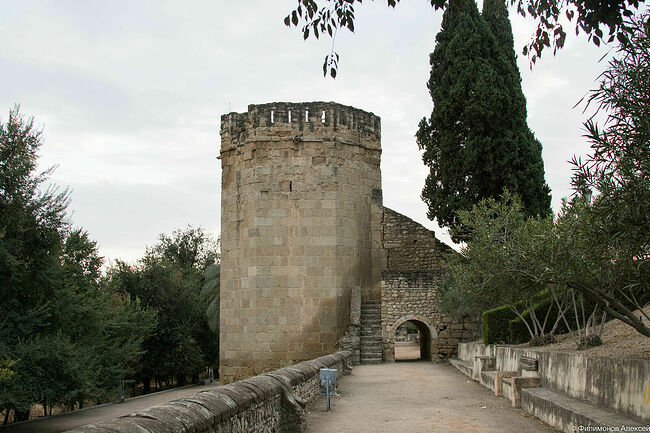
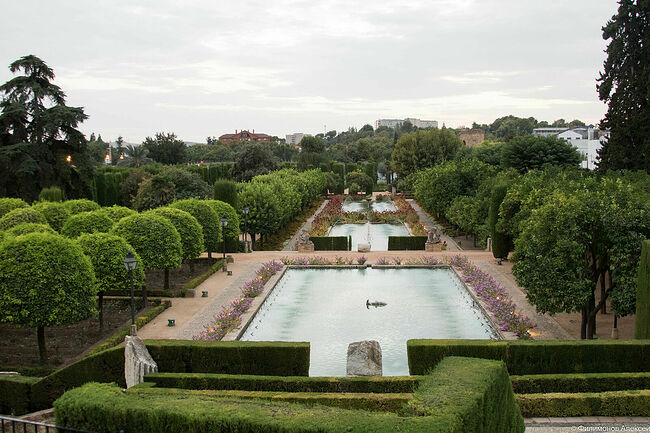
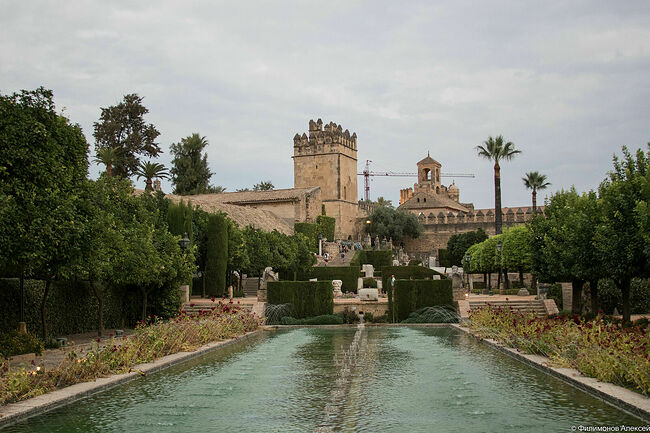
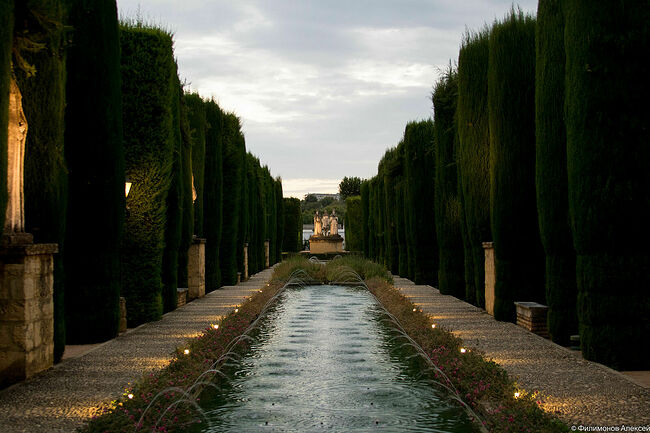
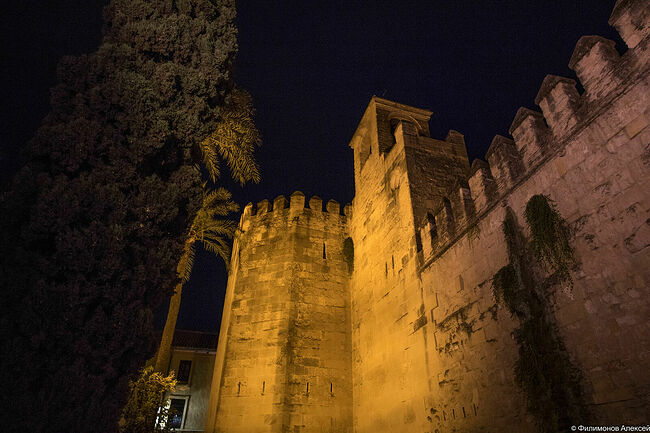
The Alcazar of the Christian Monarchs is a palace complex built in the 14th century on the site of a Moorish fortress. Here you can stroll through gardens with fountains, explore the Hall of Mosaics (where Roman mosaics have been preserved), and visit the Tower of the Inquisition with its associated exhibition.
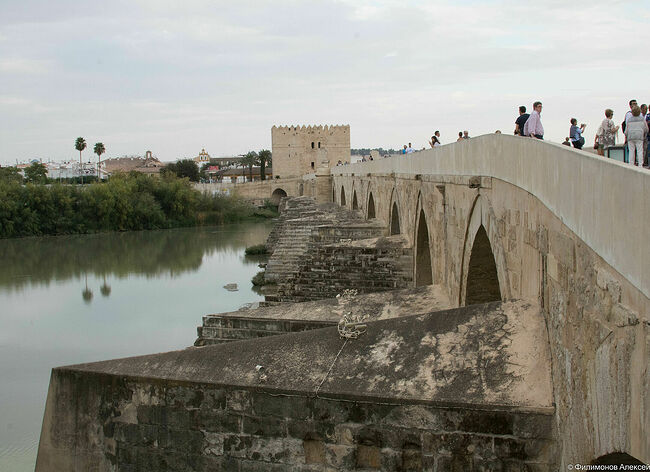
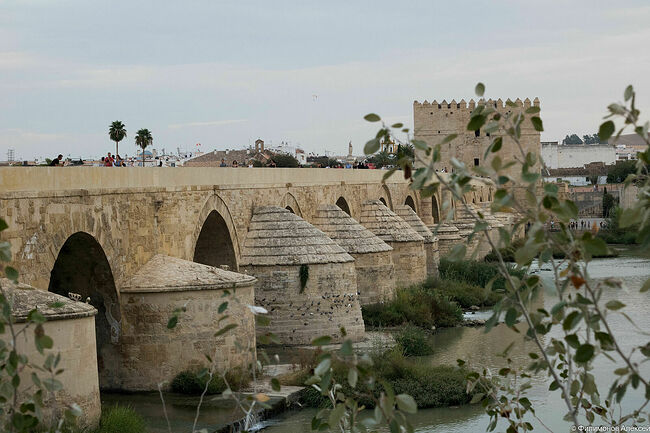
The Roman Bridge is one of the city's symbols. It was built during the Roman era but has since been rebuilt several times. It takes you across the Guadalquivir and into the heart of the Old City.