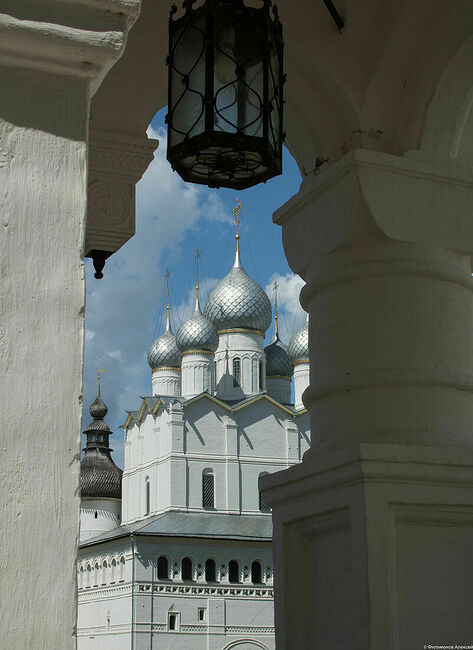
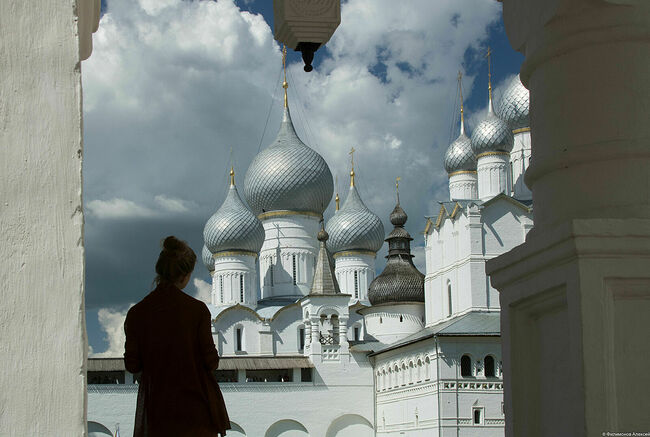
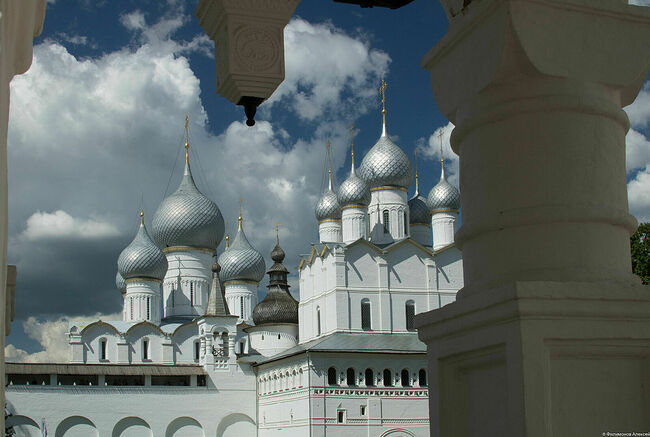
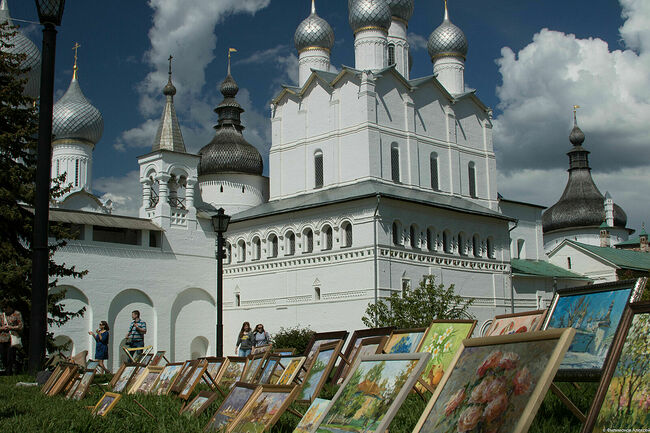
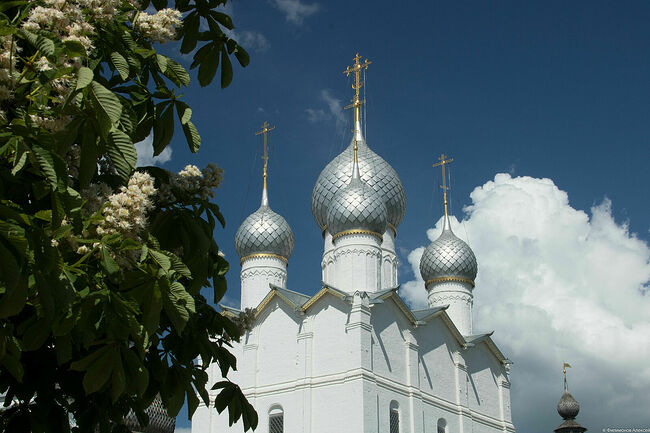
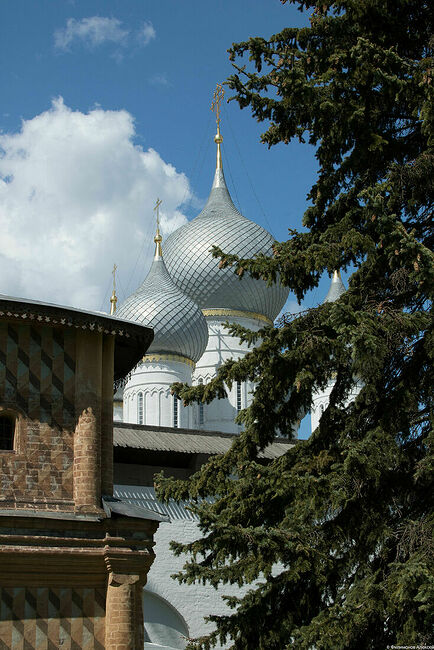
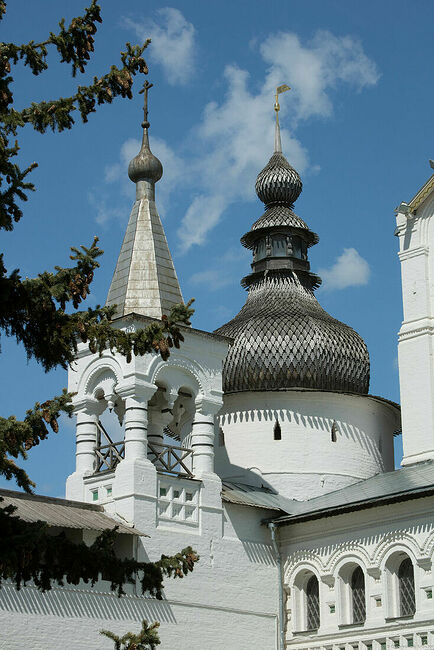
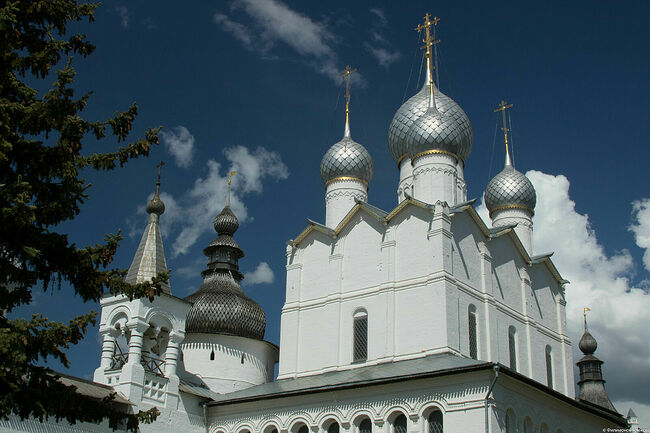
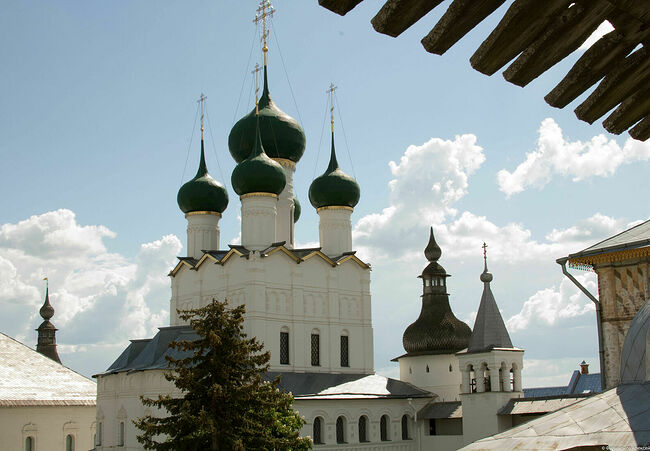
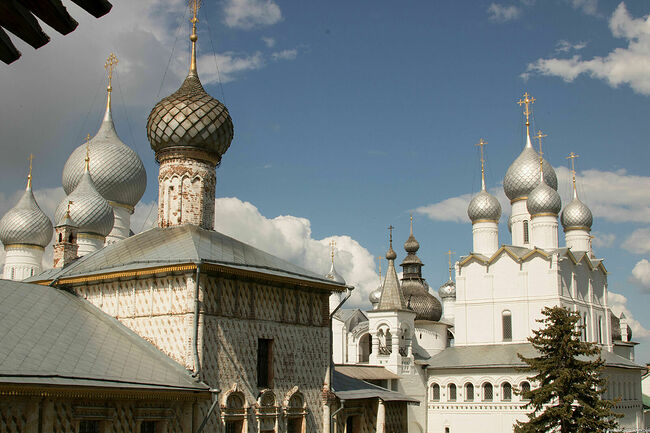
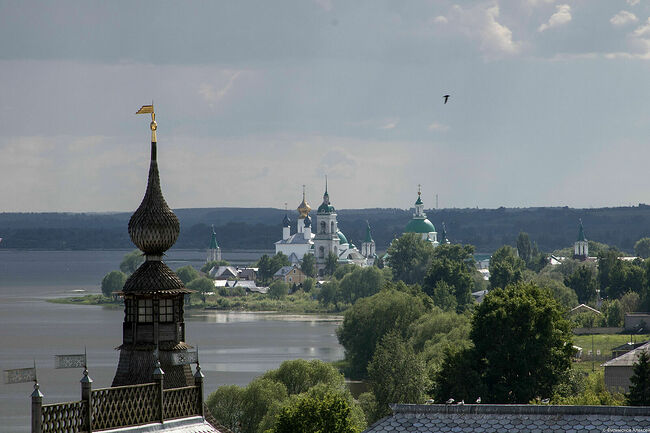
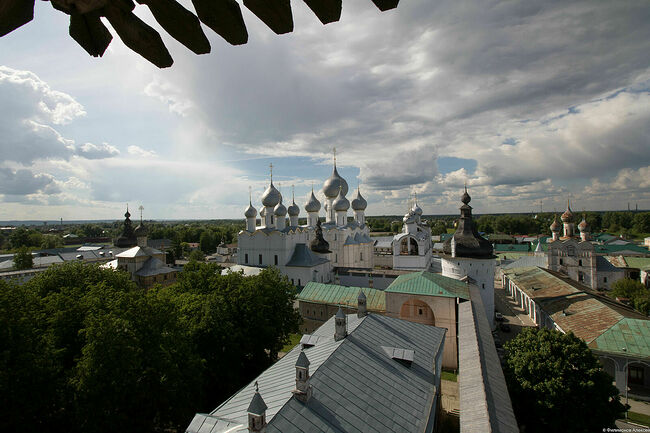
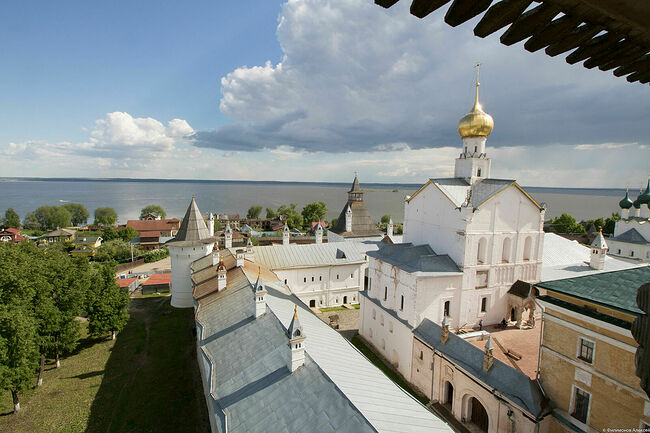
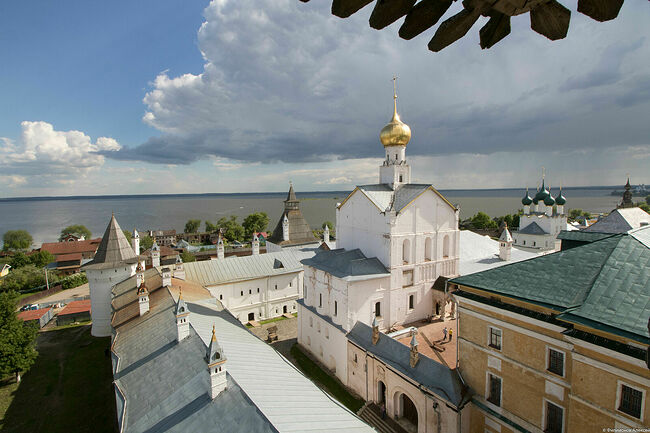
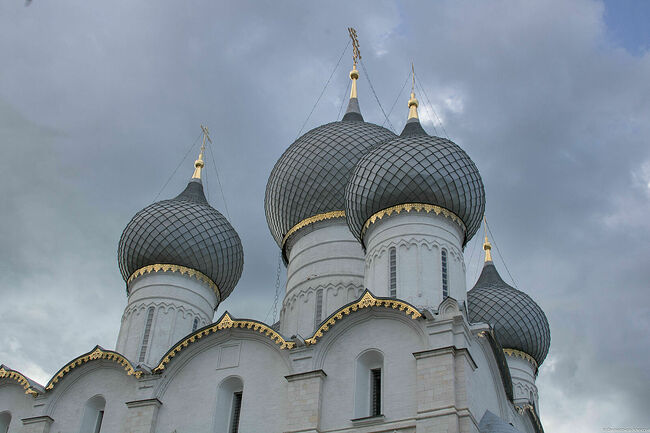
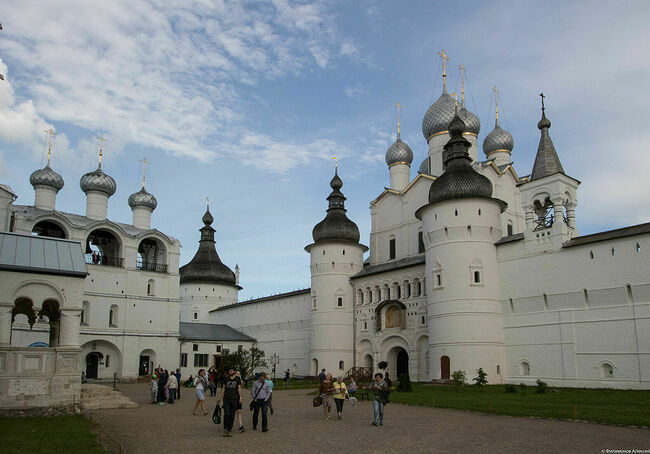
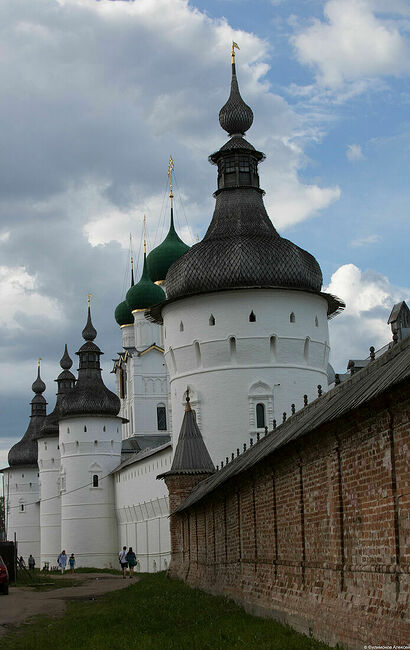
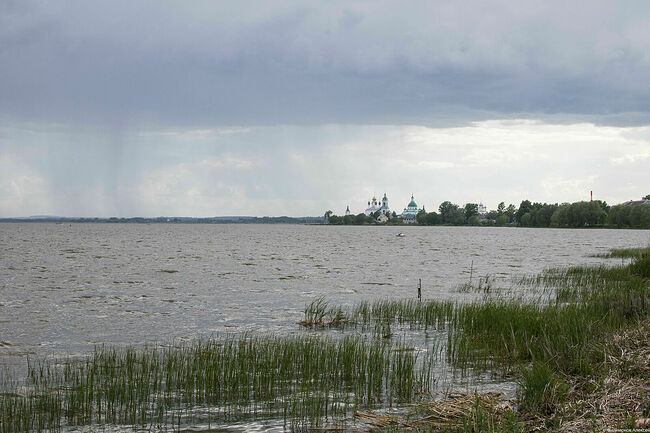
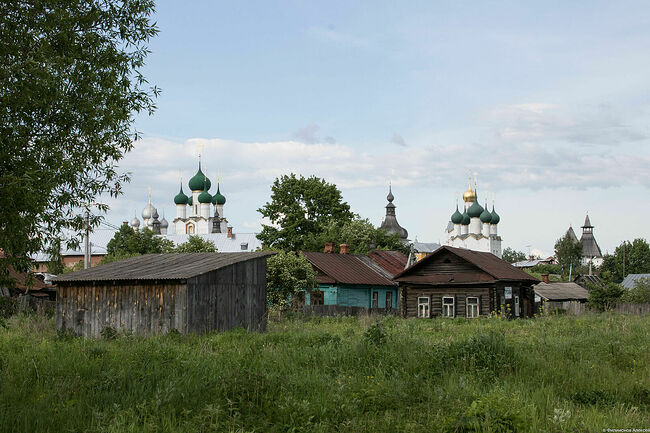
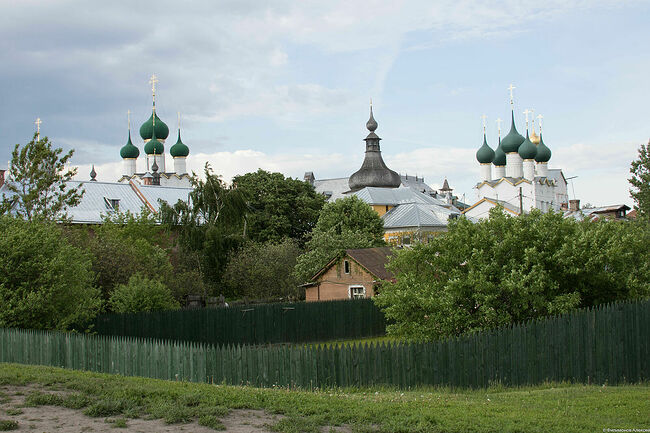
Rostov the Great is a city with a rich history, which is often included in the route of the Golden Ring of Russia.
The first chronicle mention is in 862 in the “Tale of Bygone Years”: Rostov appears among the cities subject to Prince Rurik.
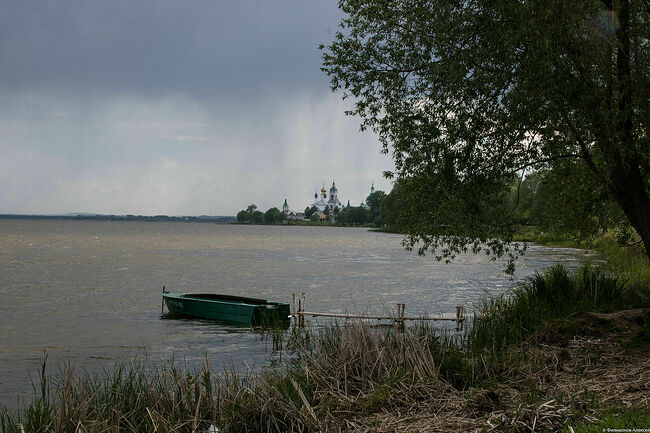
At the end of the 10th - 11th centuries the city became the center of the diocese. It was from here that the spread of Christianity in North-Eastern Rus' began in 991: according to legend, the inhabitants were baptized in Lake Nero.
In the 12th–13th centuries, Rostov experienced its heyday: it was one of the largest cities in North-Eastern Rus', the center of the Rostov-Suzdal principality. It was in the Ipatiev Chronicle, when describing the events of 1151, that the city was first called “Rostov the Great”.
In 1238 the city was occupied by the Mongols, probably without a fight.
In the 14th century, Rostov gradually lost political influence, and in 1474, the Grand Duke of Moscow Ivan III bought part of the city, and it finally became part of the Moscow Principality. At the same time, the city retained its significance as an important religious and cultural center.
In the middle of the 16th century, a new economic boom began, but in the Time of Troubles (1609), Rostov was plundered by Polish-Lithuanian troops.
In the 18th – early 20th centuries, the city was a major trade and fair center. Since the second half of the 18th century, the craft of artistic enamel (enamel painting) has been developing here.