Seville is the soul of Andalusia! It can be described as a city where history breathes in every stone: Roman ruins, Moorish opulence, Gothic cathedrals, and a truly vibrant passion for flamenco and vibrant festivals.
The city has a rich history. The Phoenicians founded a settlement here around the 8th century BC. Later, the city became an important center under the Romans (then known as Hispalis). In 711, Seville was captured by the Moors, and during the Al-Andalus period, it became a significant cultural and economic hub. In 1248, the city was reconquered by the Castilian King Ferdinand III. And in the 16th century, after the discovery of America, Seville became a major port for trade with the New World and one of the richest cities in Europe.
The original building was:
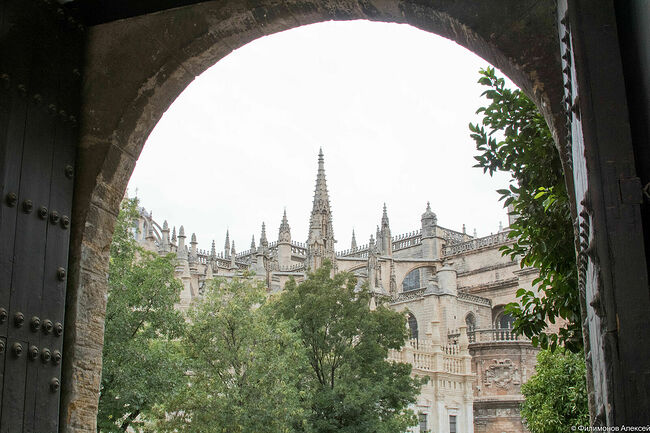
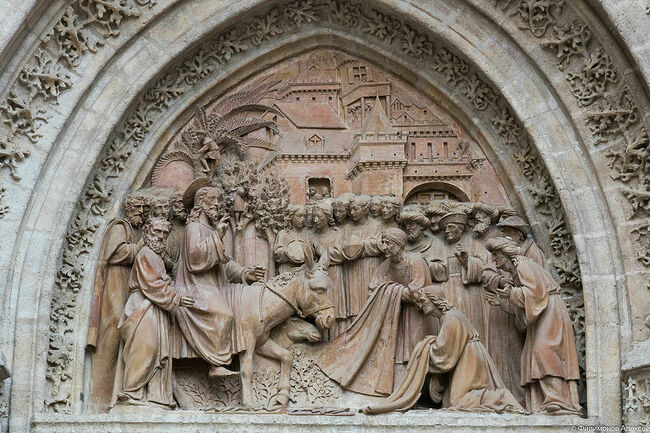
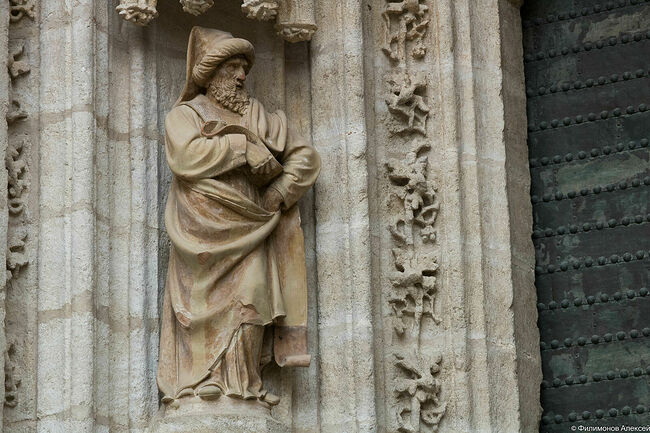
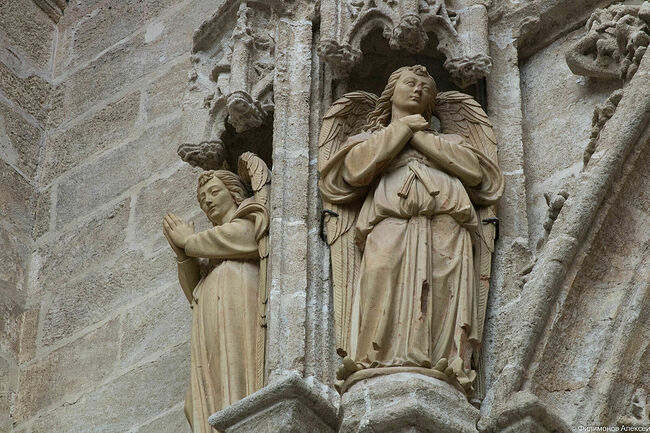
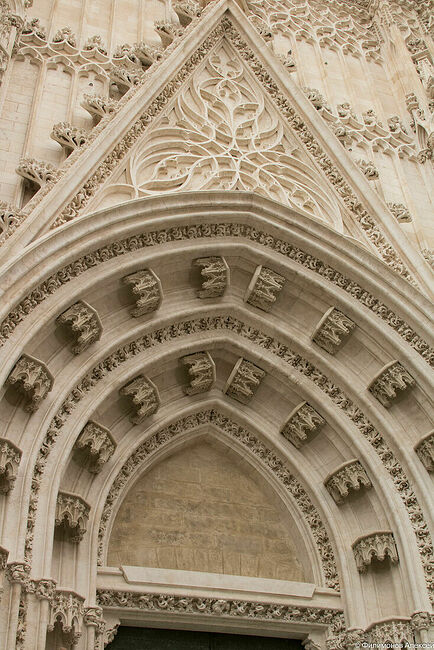
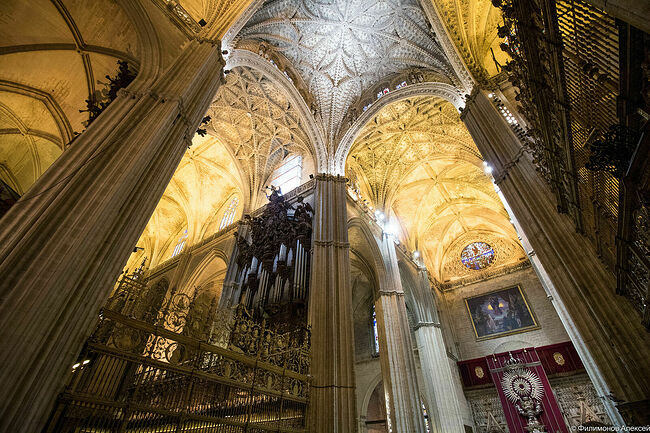
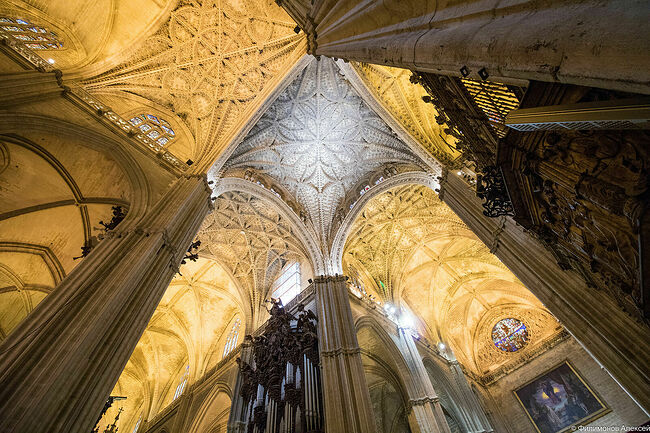
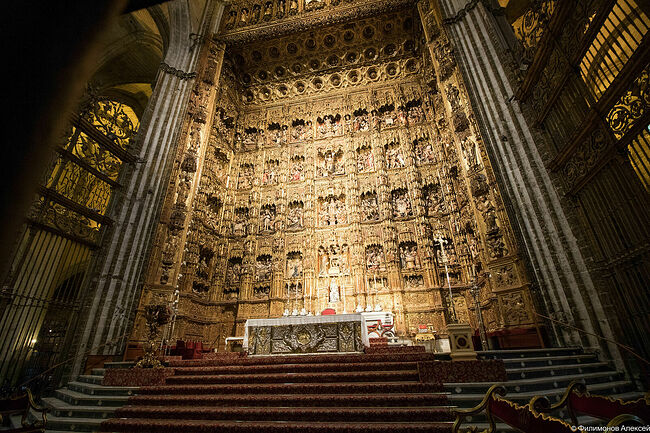
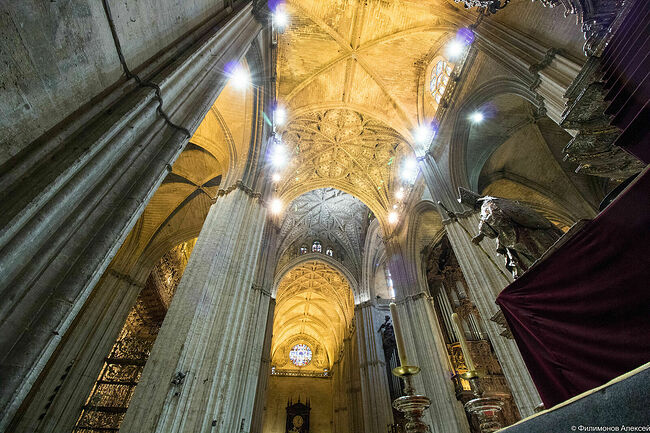
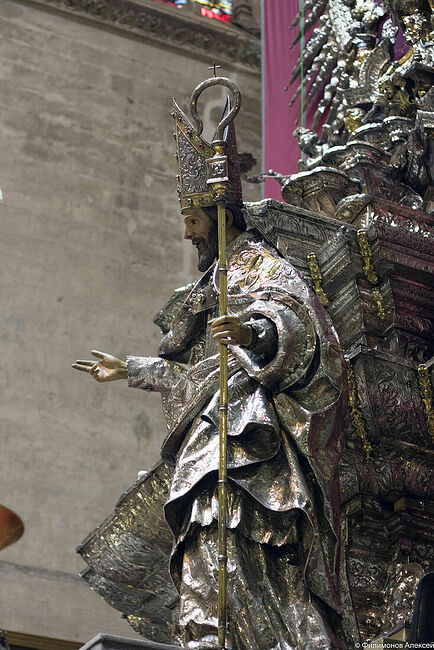
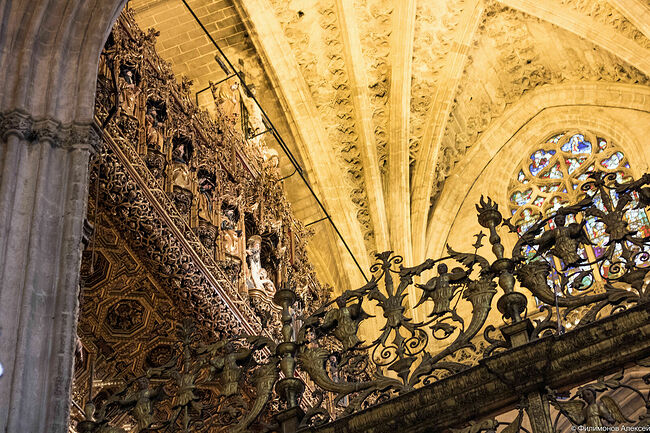
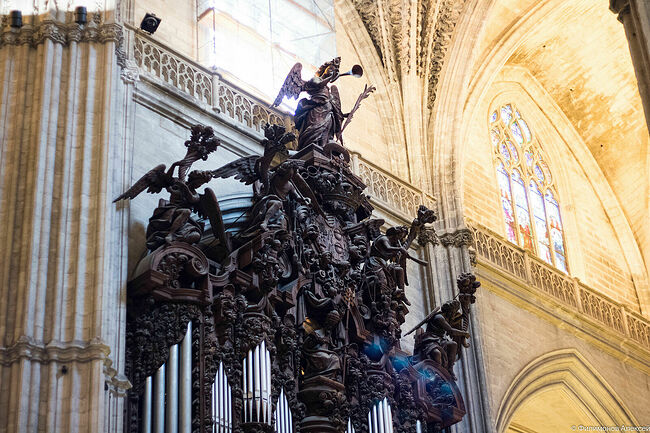
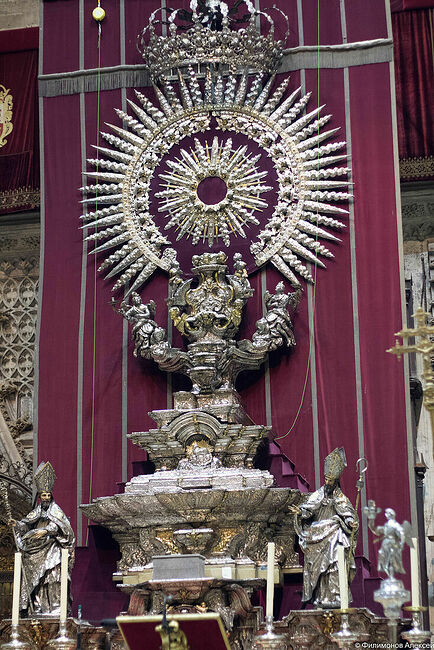
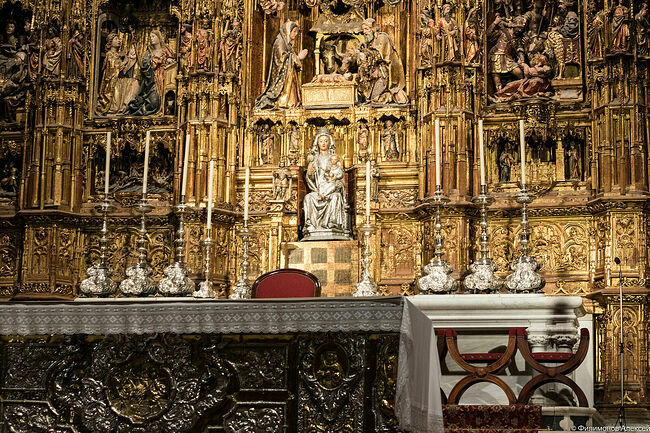
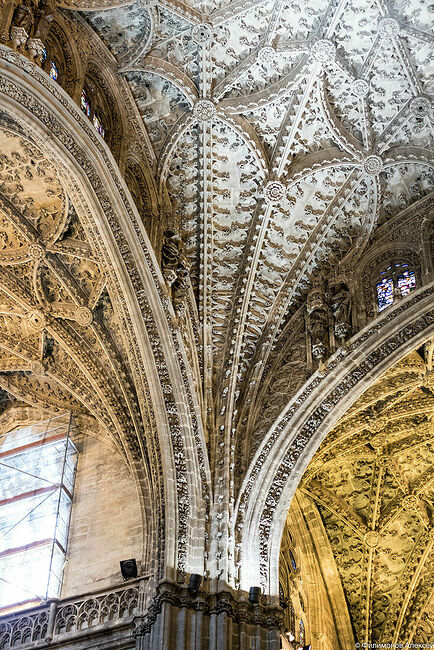
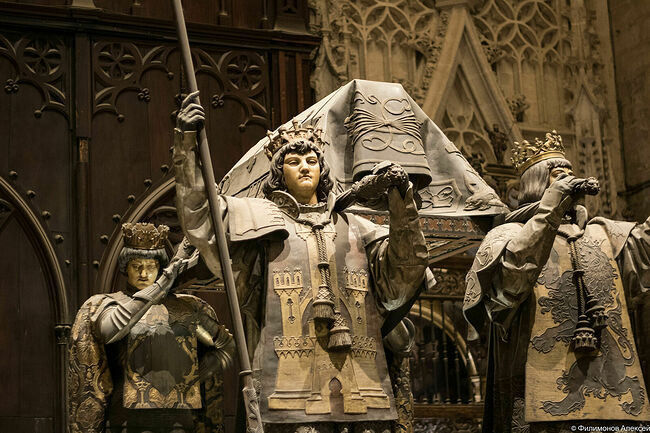
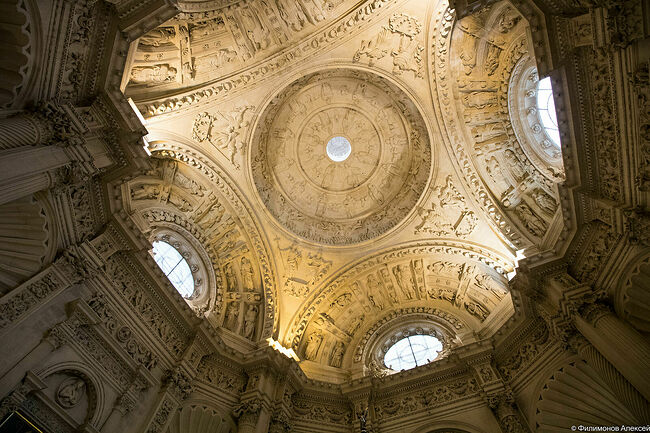
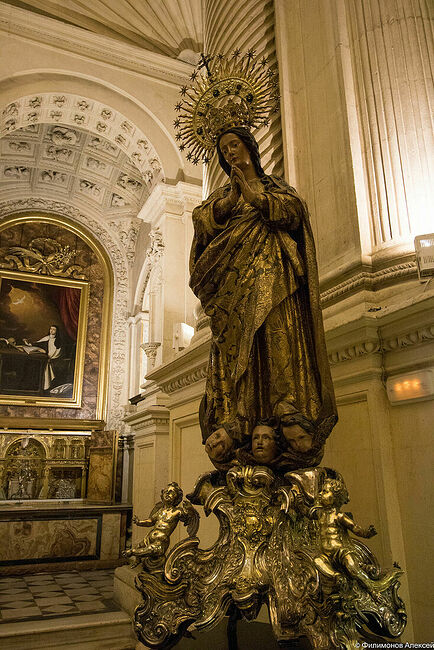
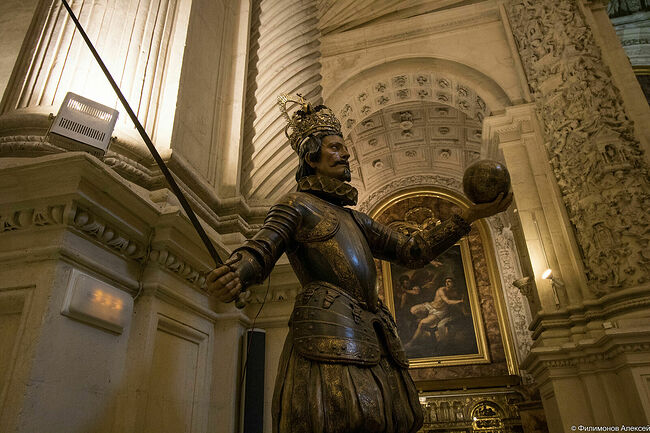
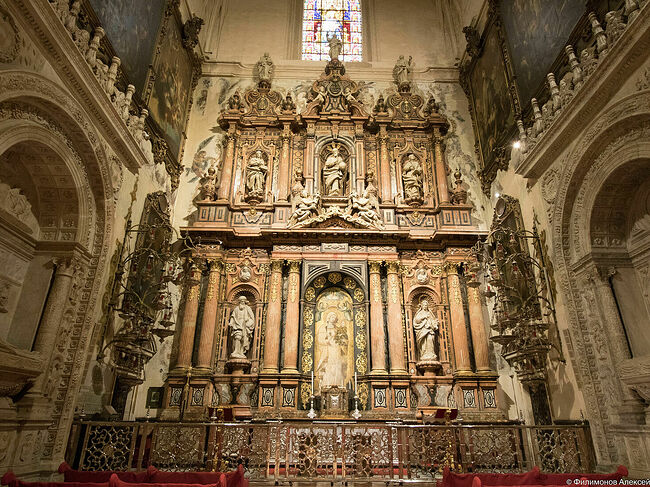
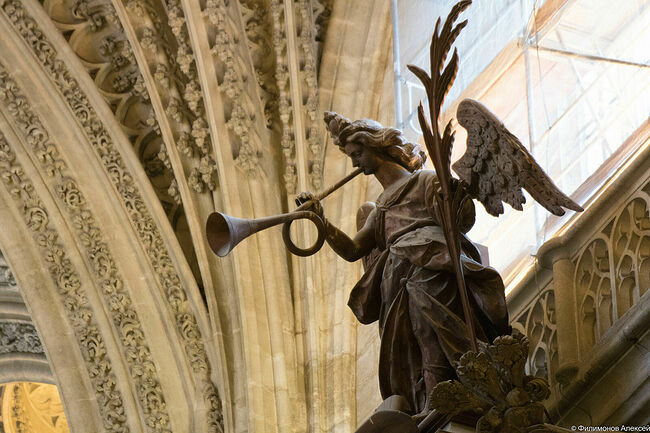
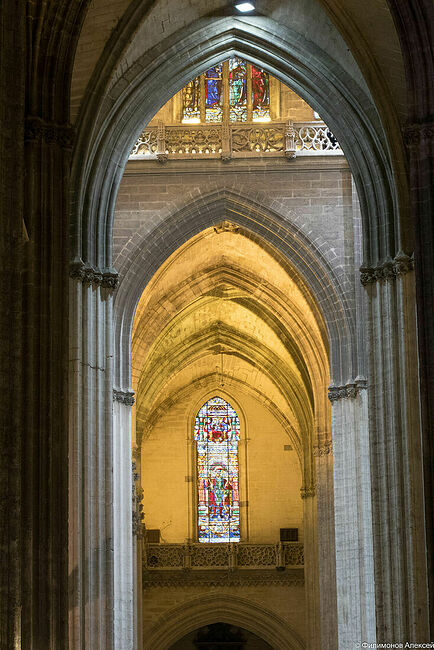
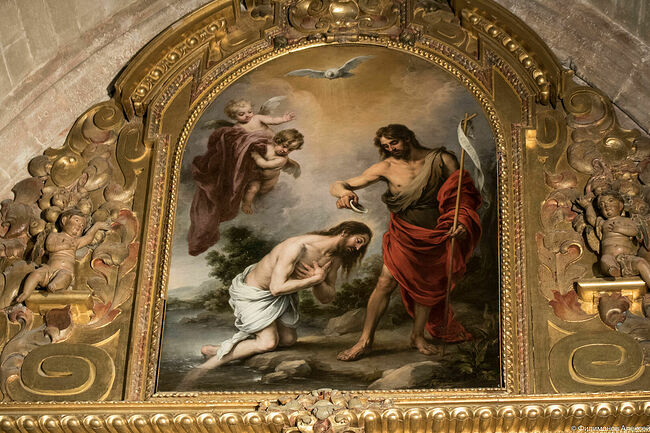
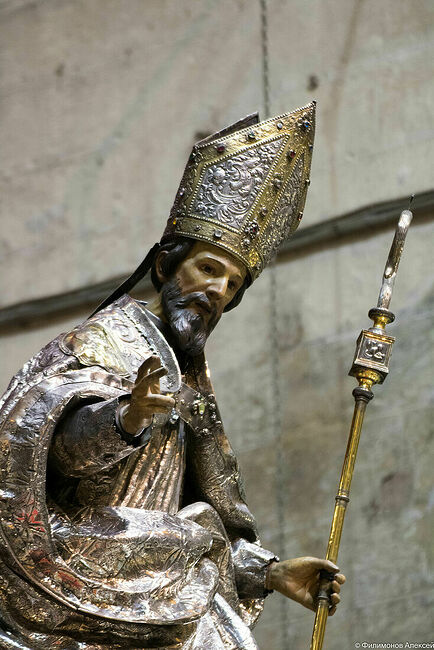
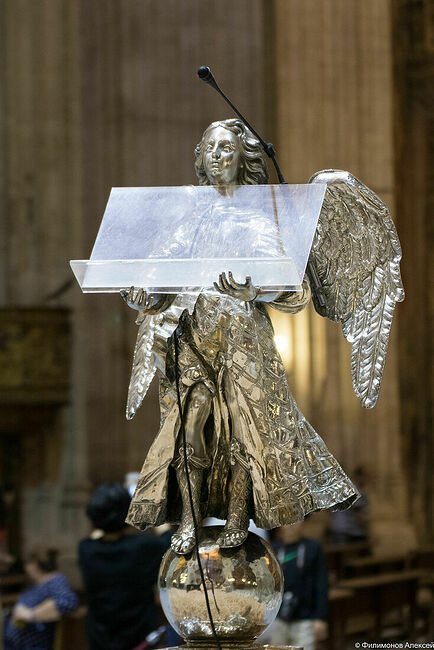
Seville Cathedral (Cathedral of Santa Maria de la Sede). It is the largest Gothic cathedral in the world and the third-largest Christian cathedral in the world (after St. Peter's in Rome and St. Paul's in London).
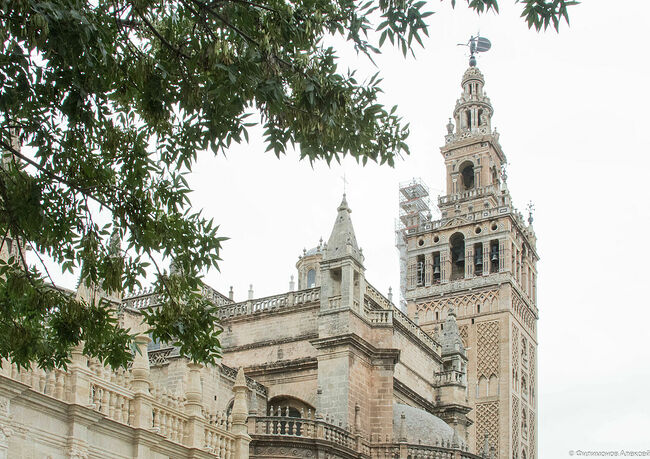
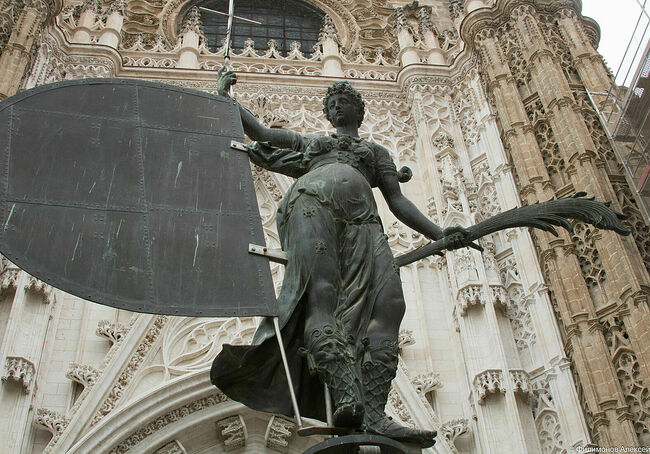
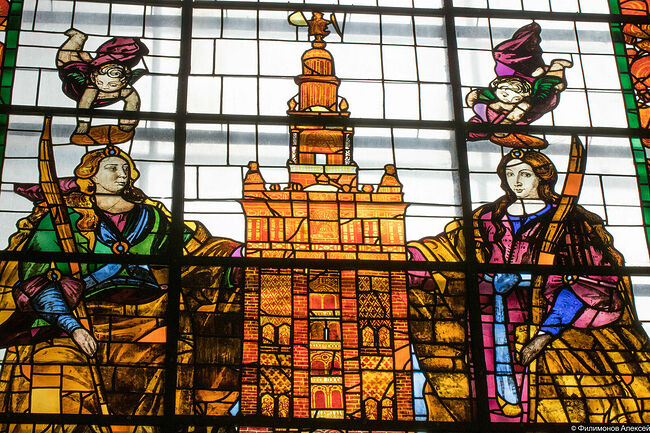
The Giralda Tower. This former part of a Moorish minaret (built in the 12th century) was later converted into a bell tower. It is approximately 97.5 meters high. At the top is a bronze statue of a woman holding a palm branch, symbolizing the triumph of faith.
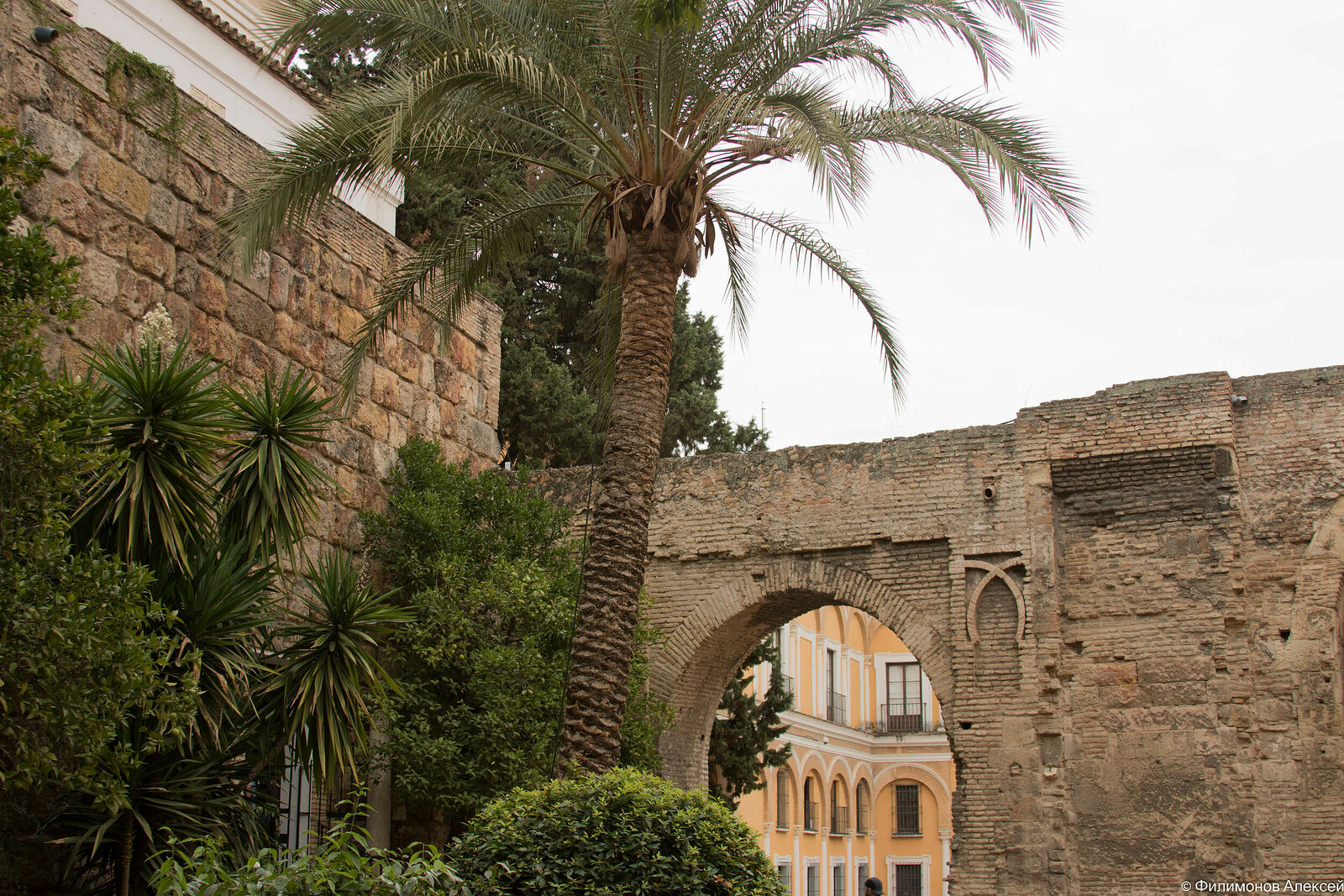
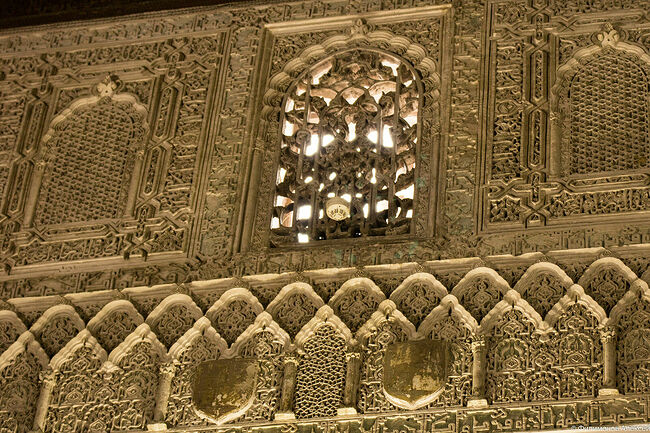
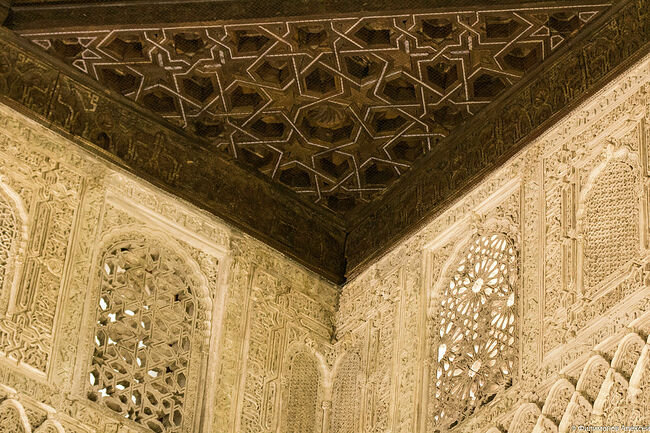
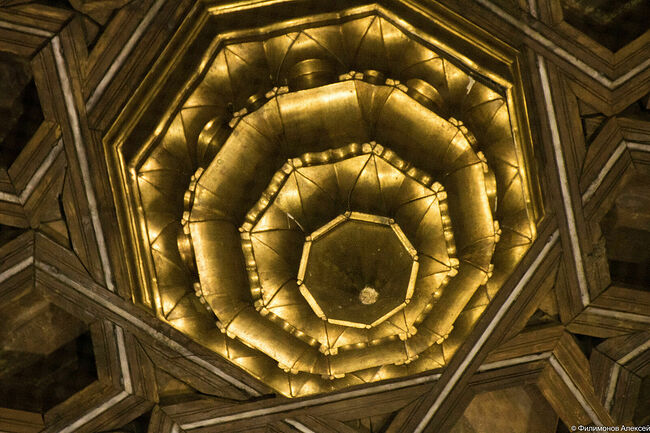
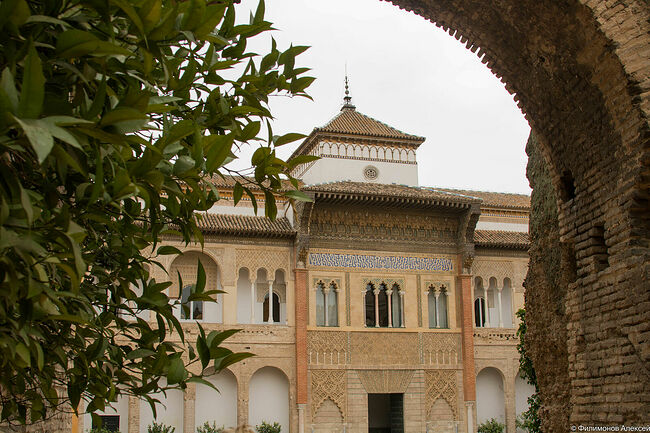
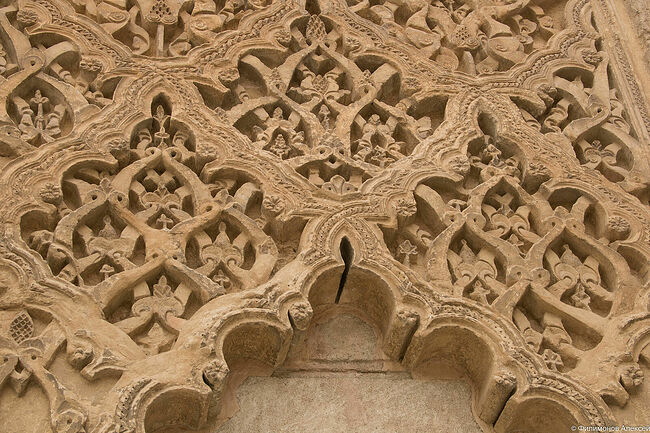
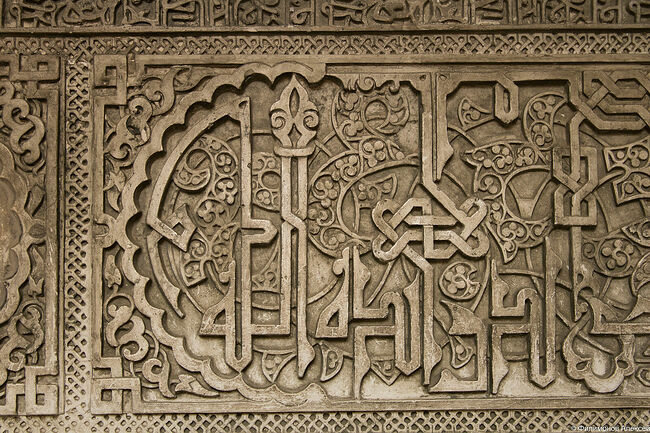
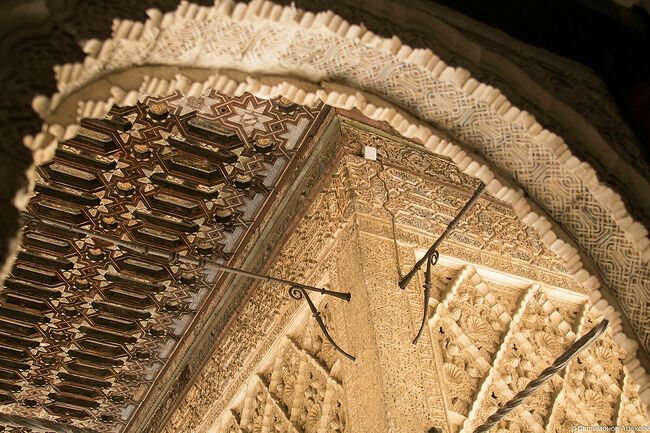
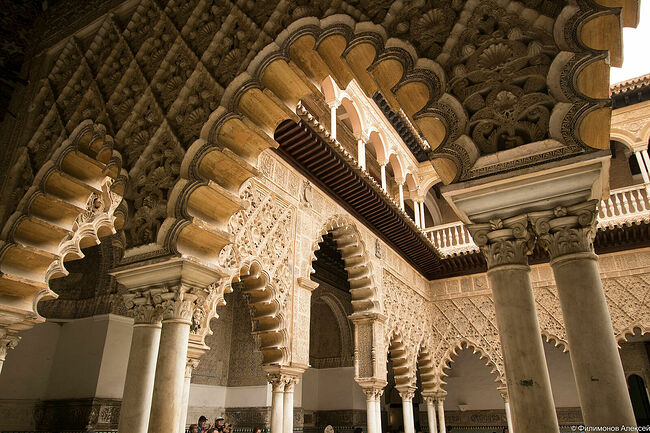
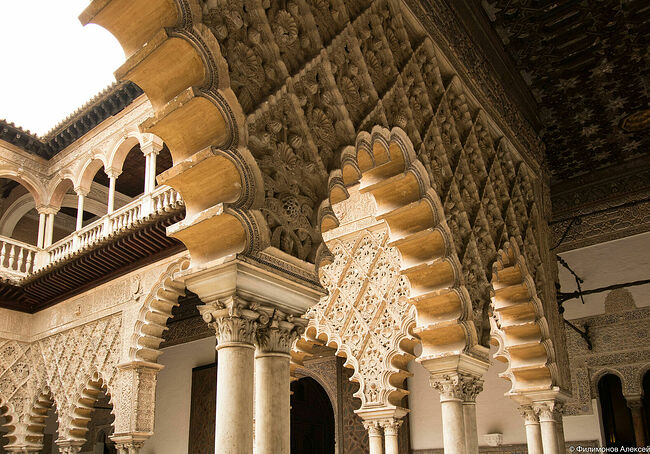
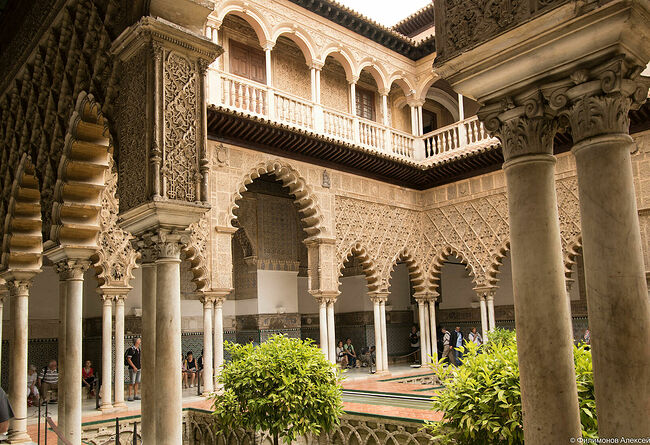
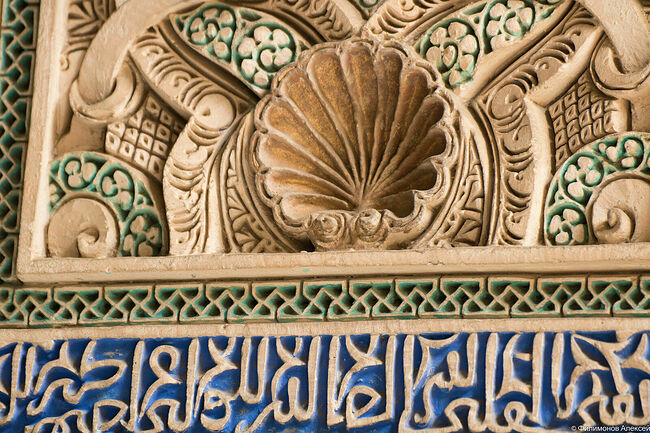
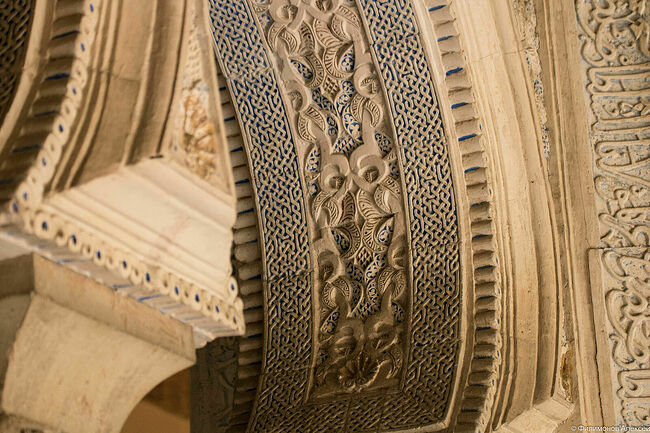
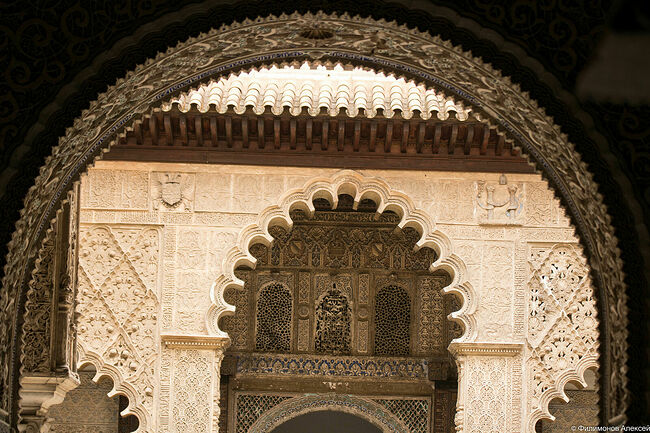
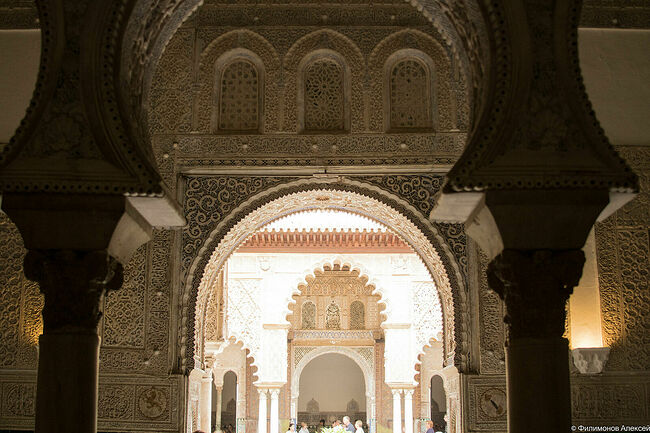
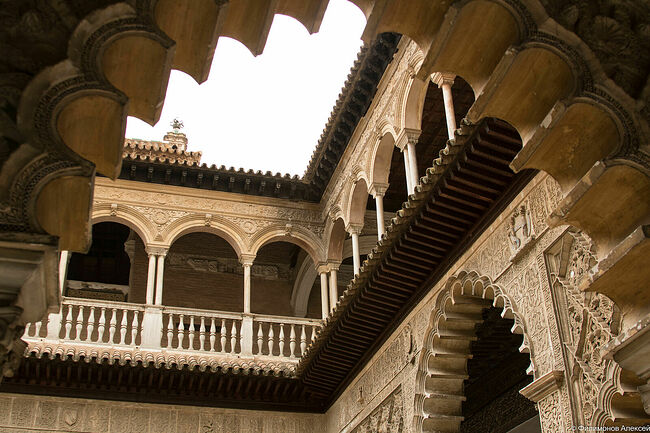
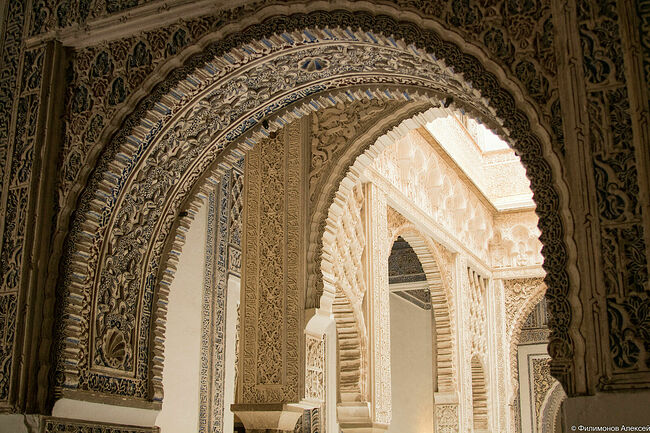
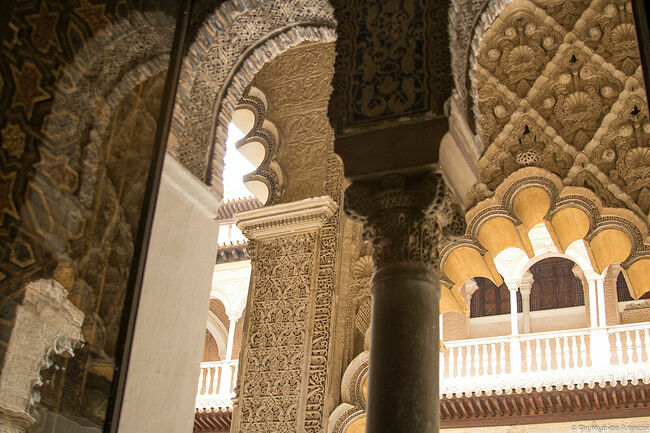
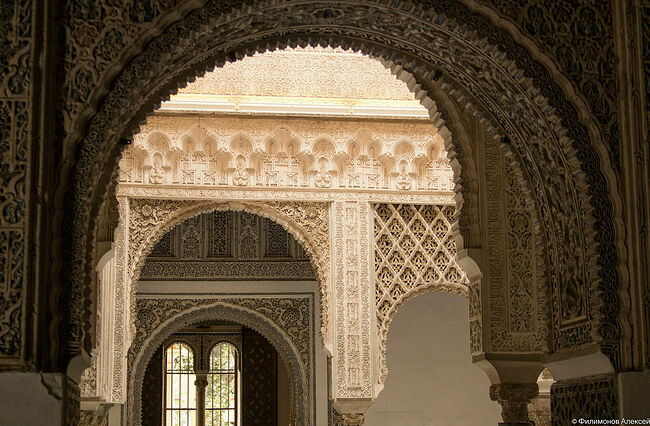
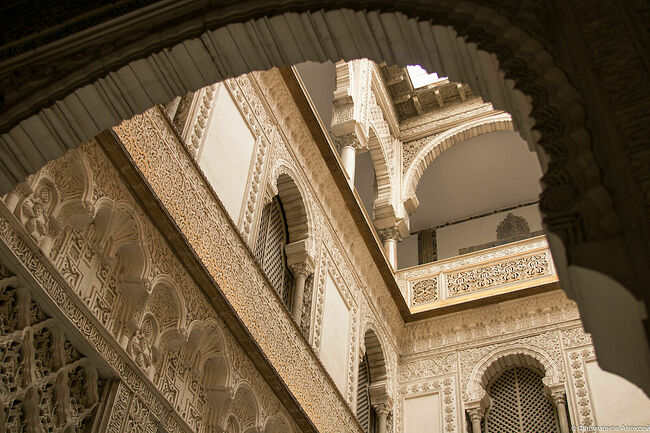
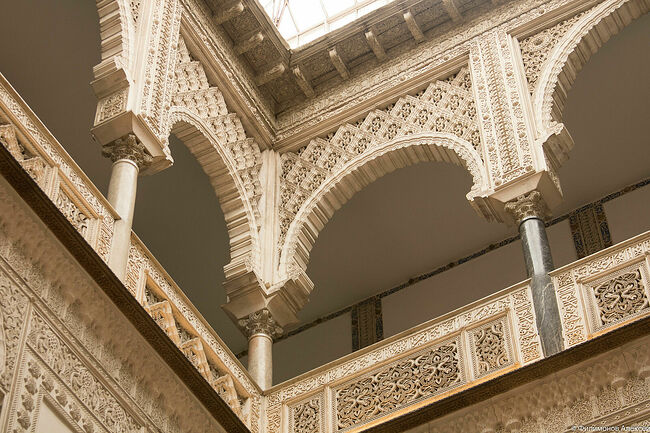
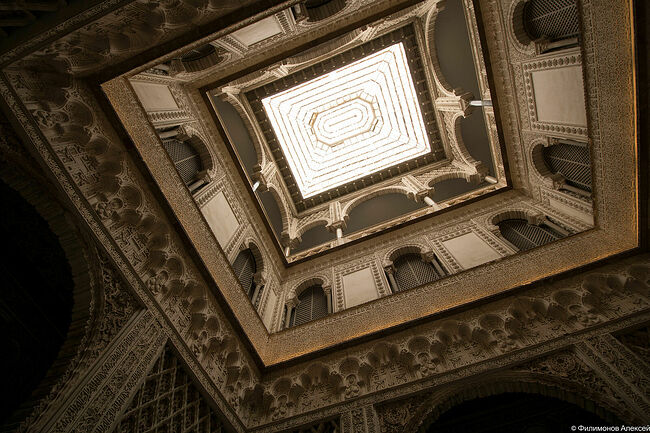
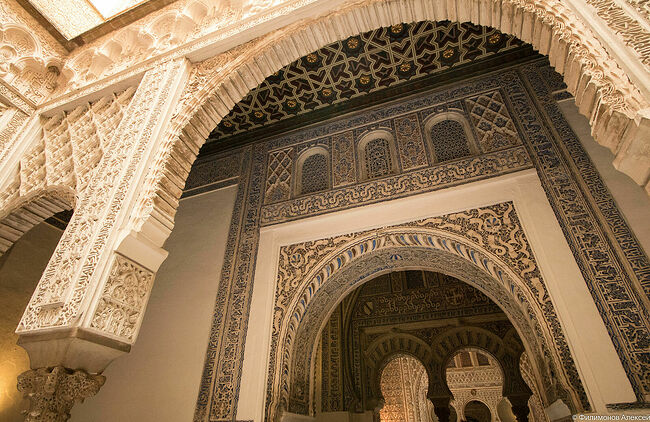
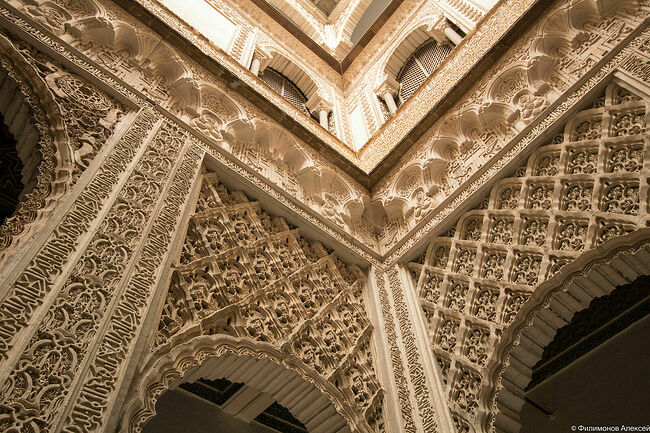
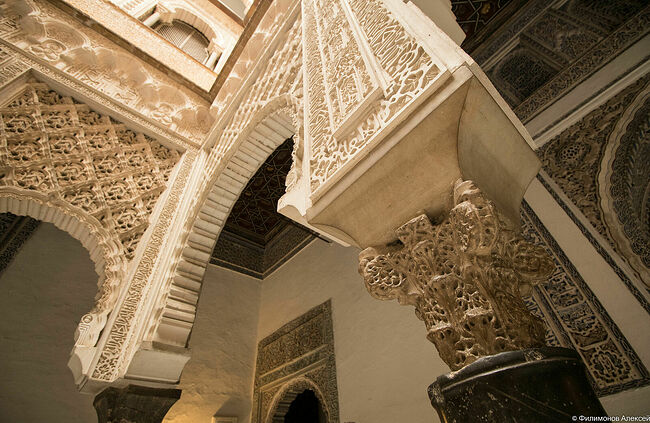
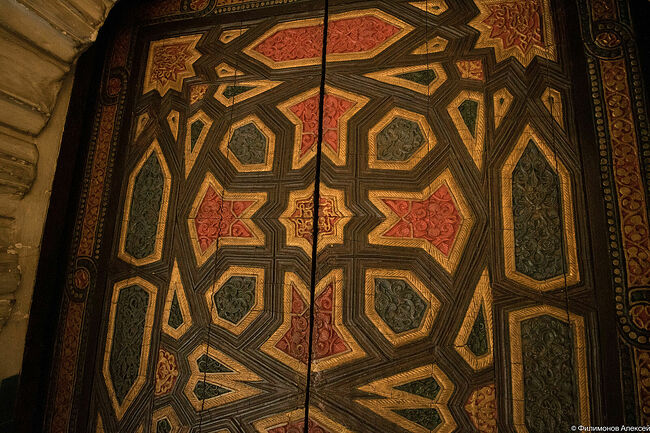
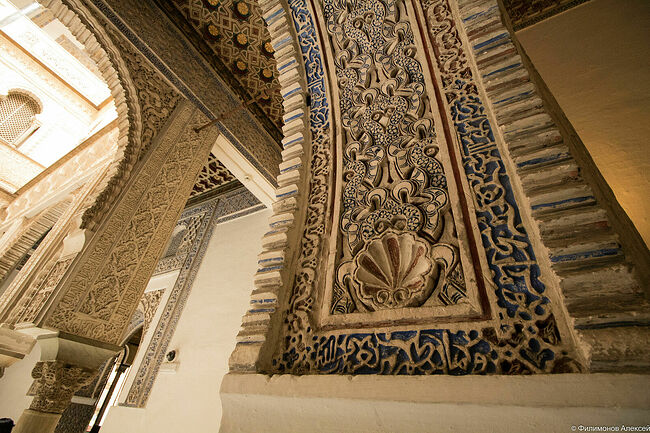
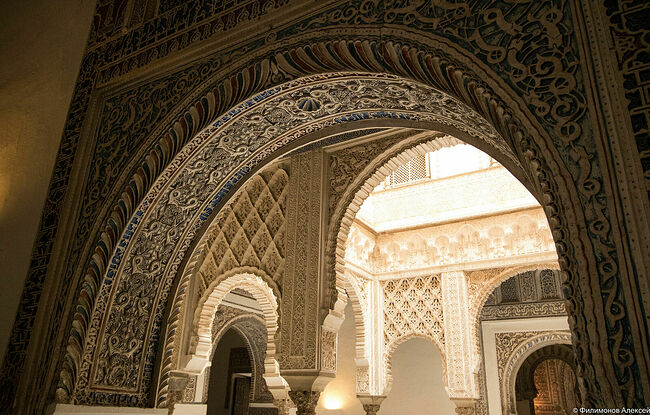
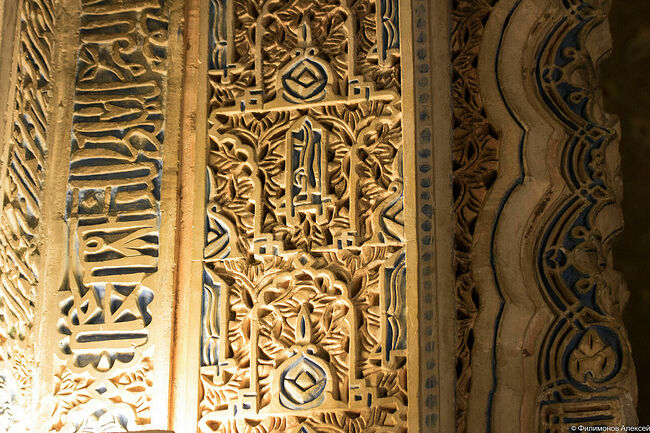
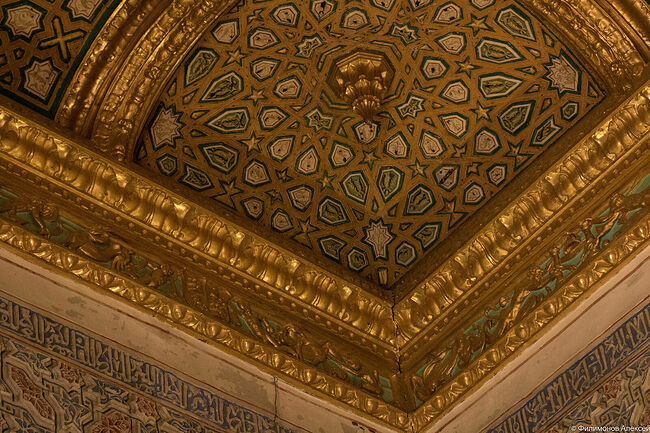
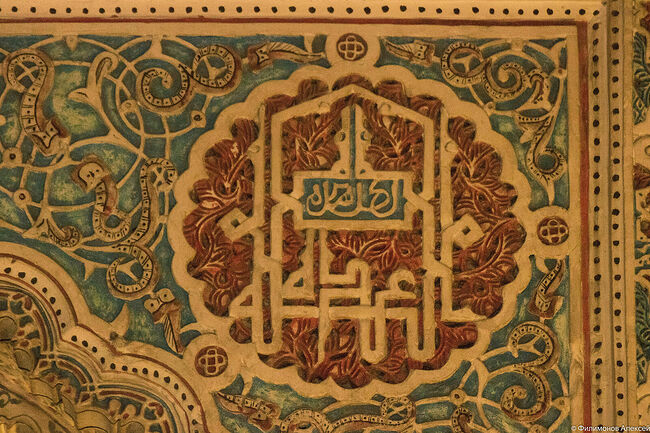
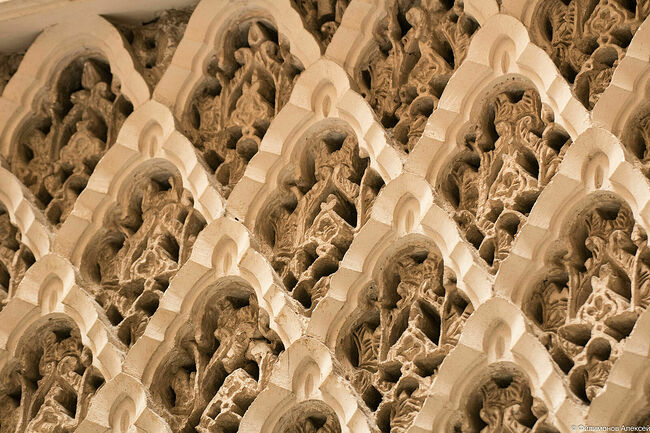
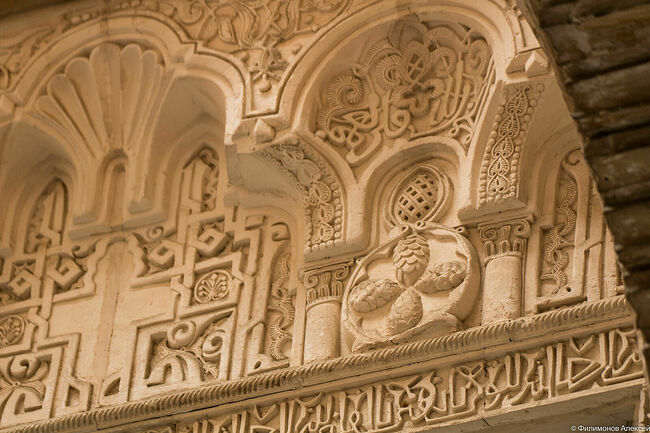
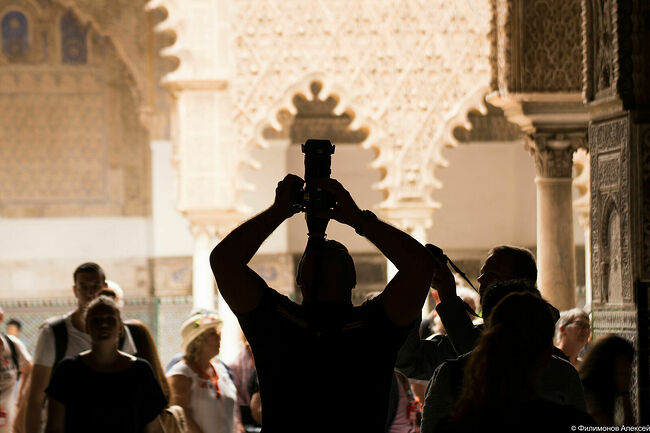
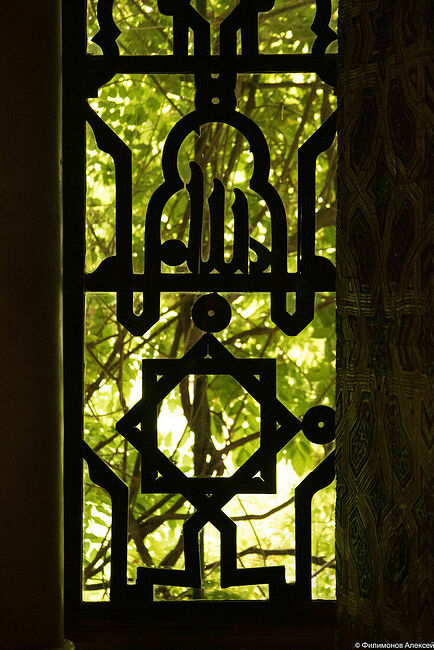
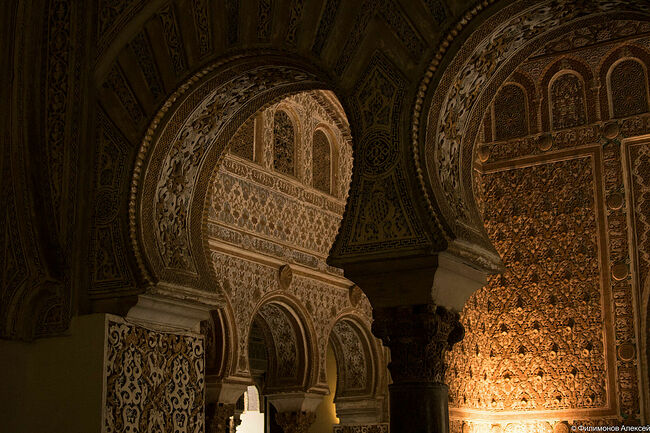
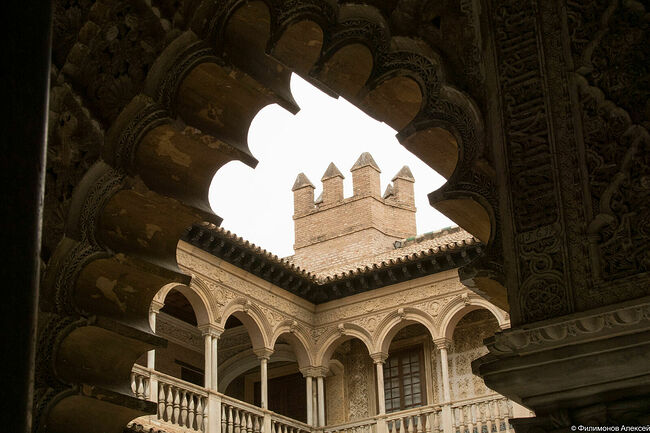
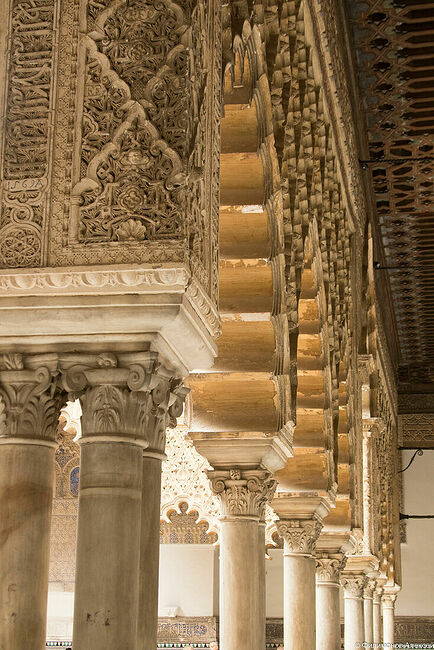
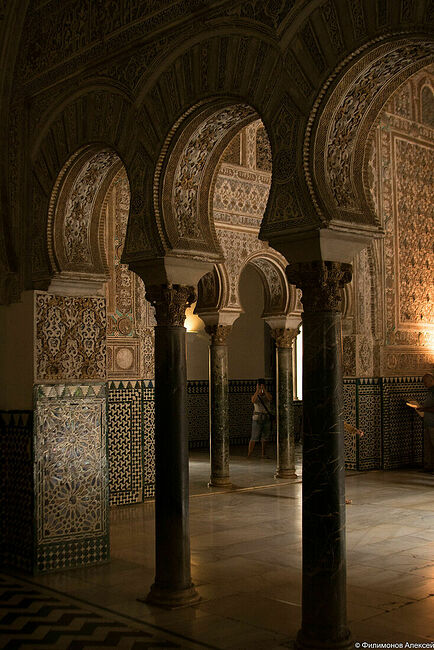
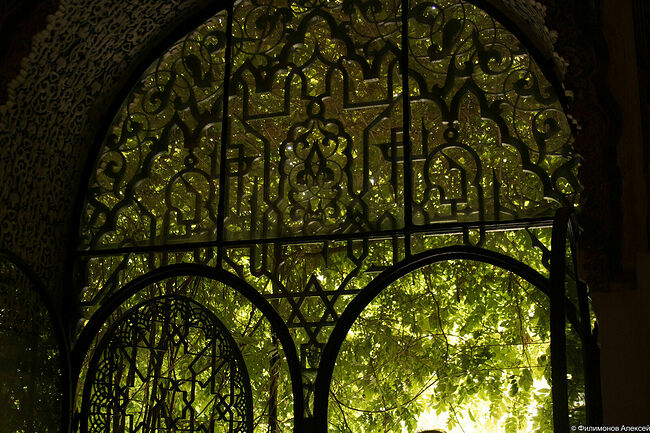
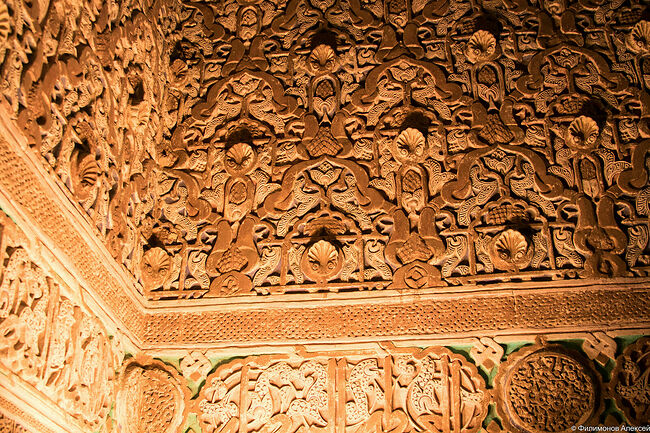
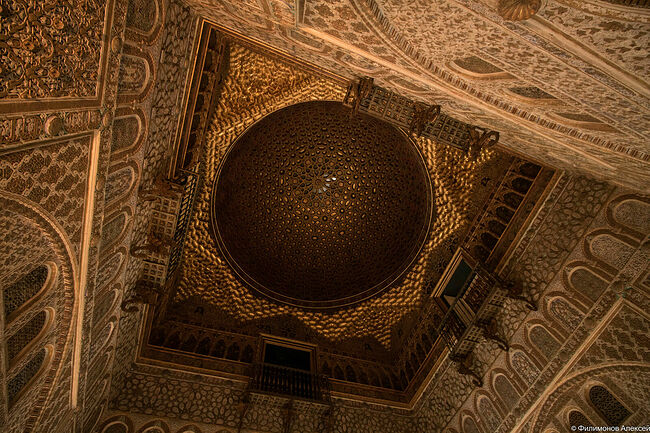
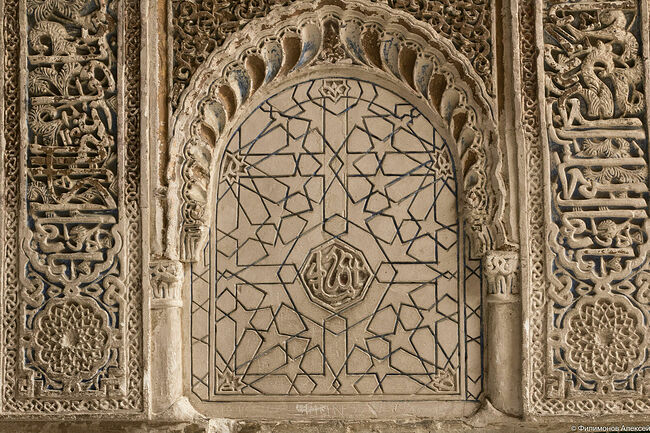
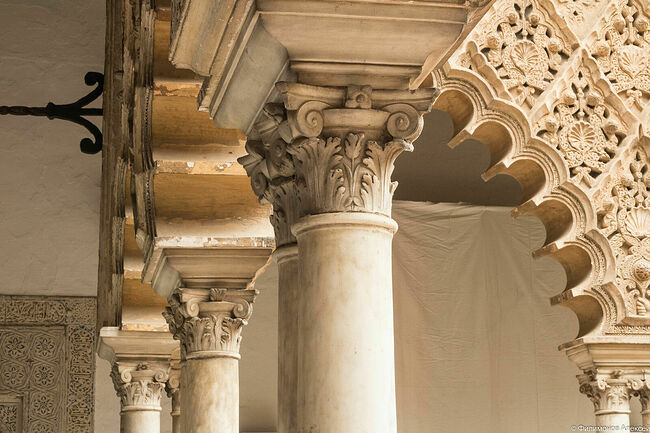
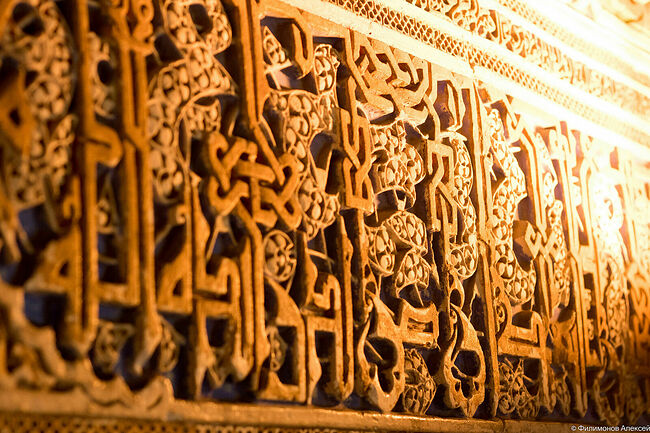
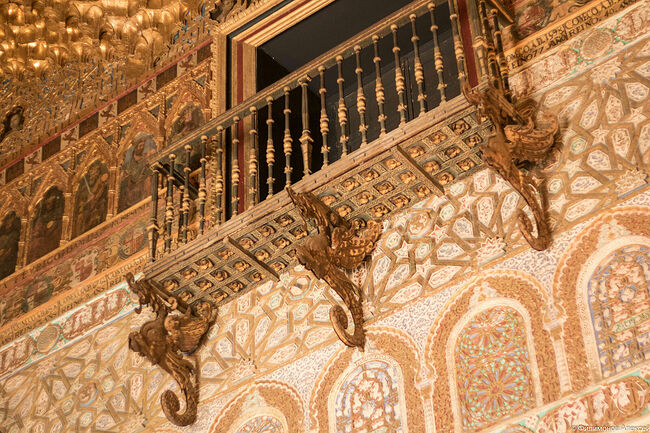
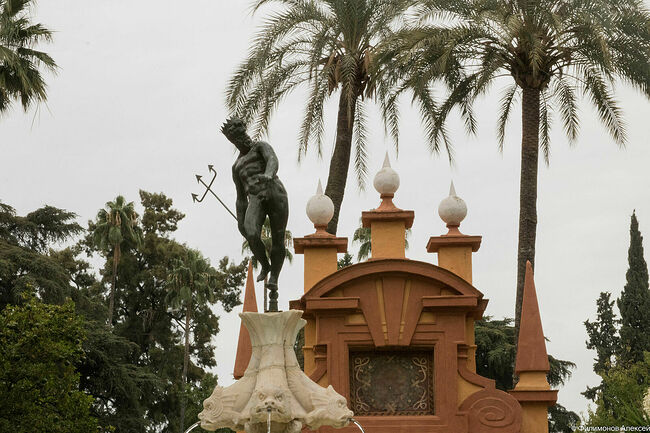
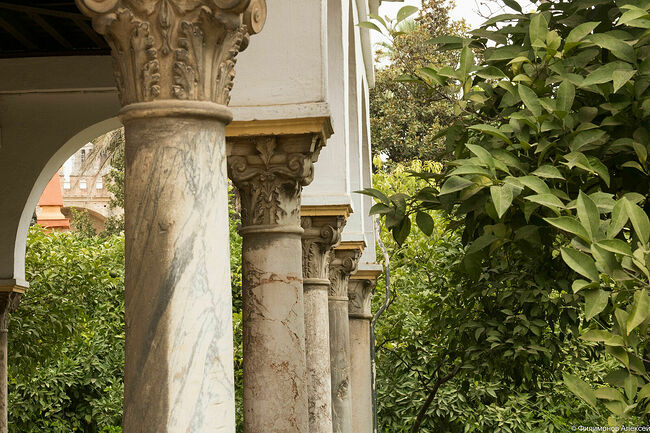
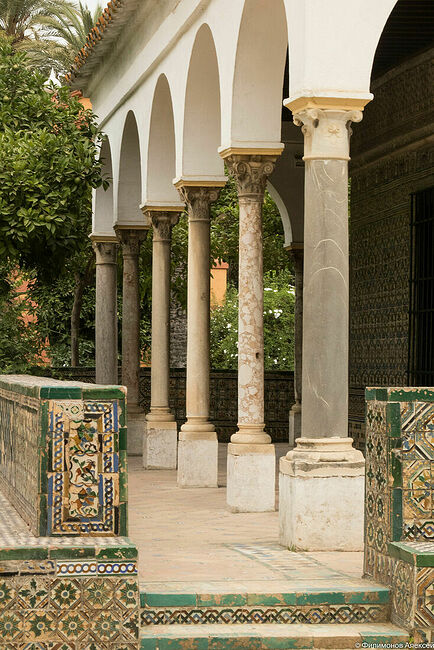
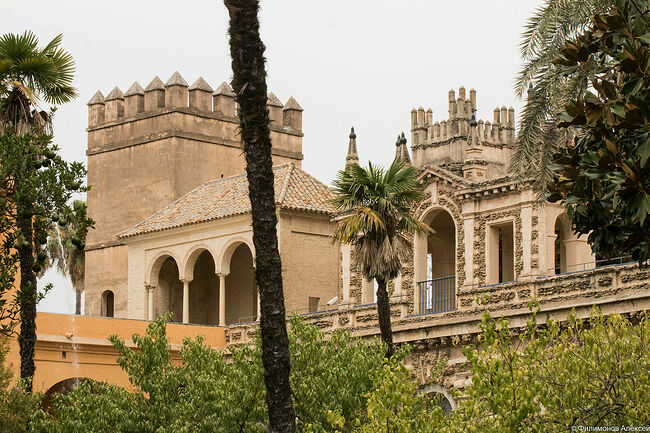
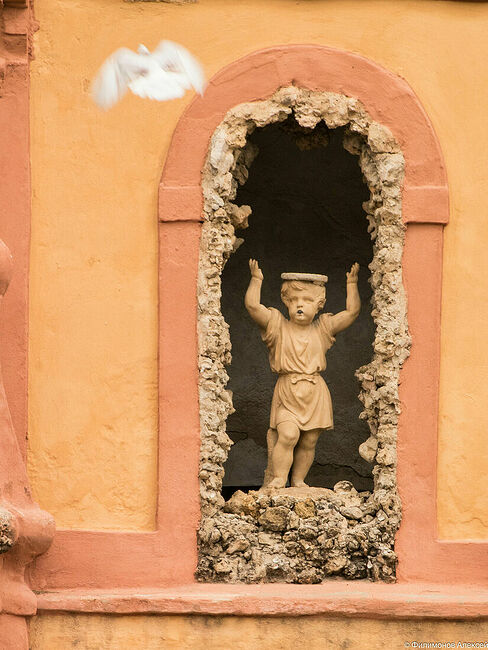
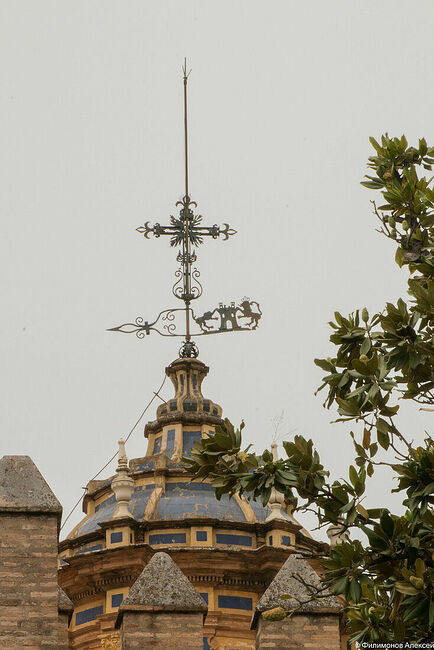
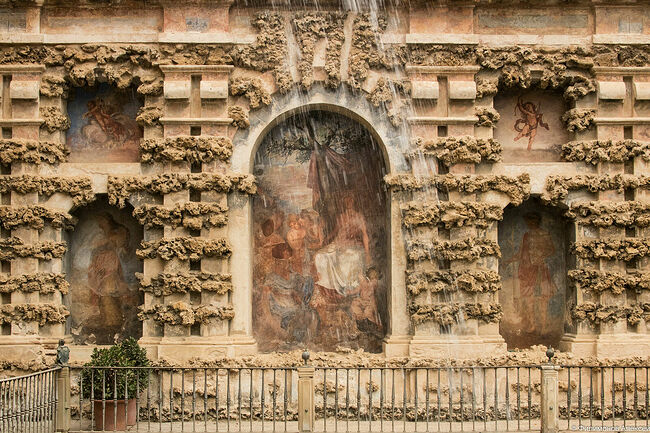
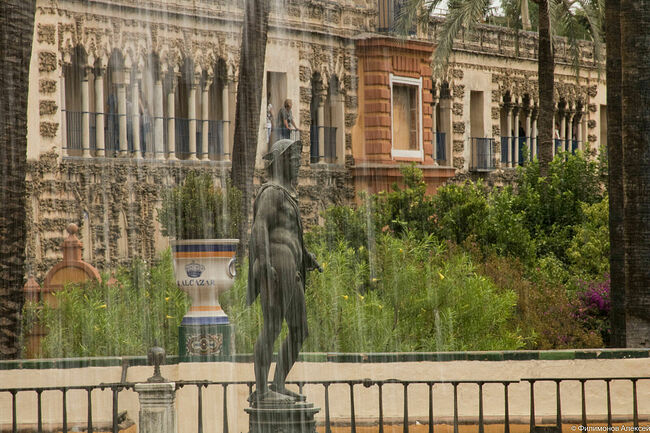
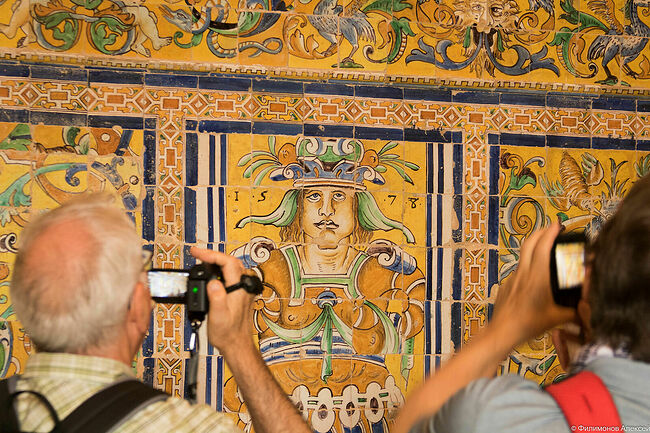
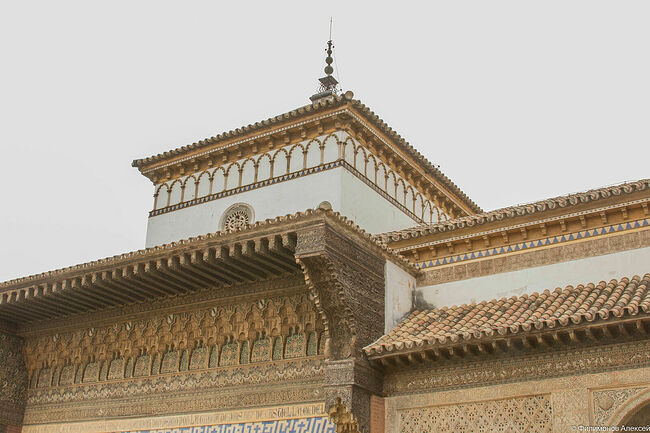
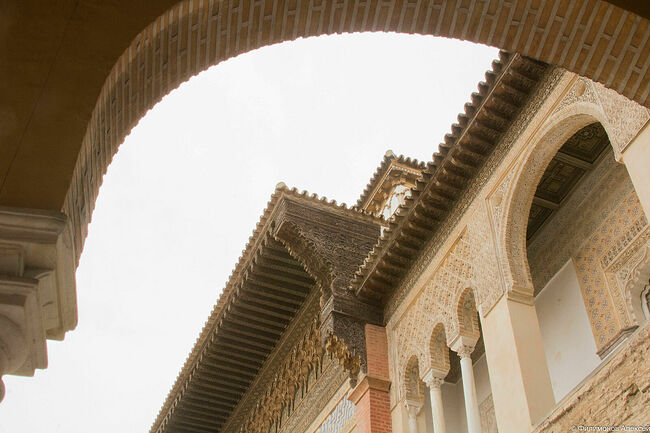
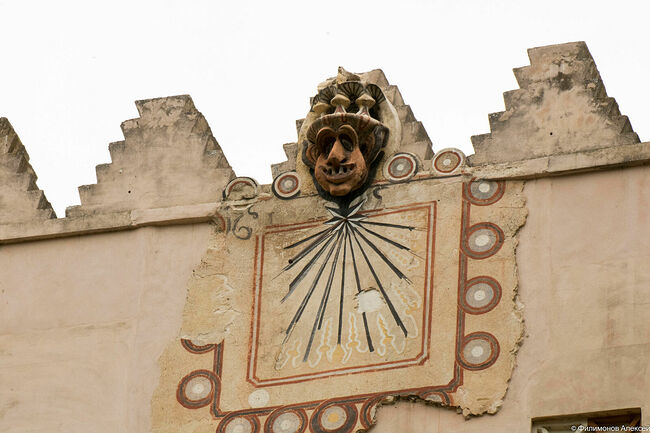
The Alcazar. This palace complex stands on the site of an ancient Moorish fortress. After the Reconquista, it became the residence of the Spanish kings. The architecture here is a striking example of the Mudéjar style (a combination of Islamic and Christian elements): intricate ornamentation, carved arches, and azulejos ceramic tiles with geometric and floral patterns.