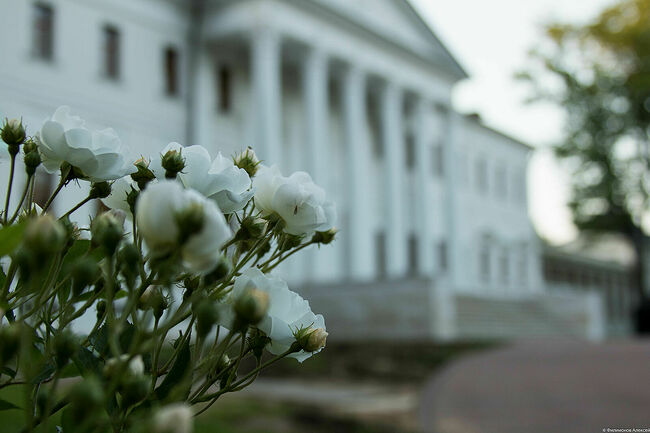
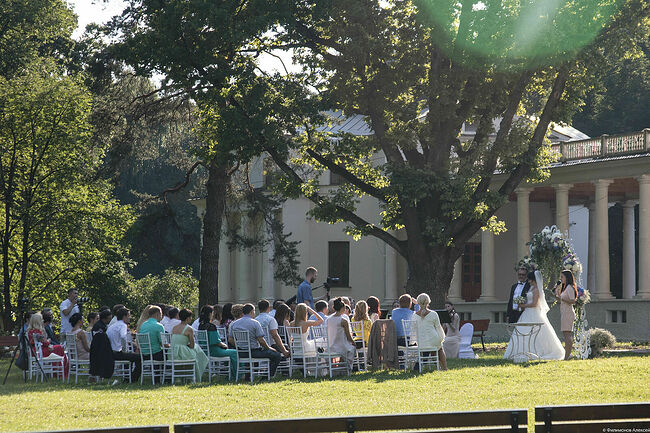
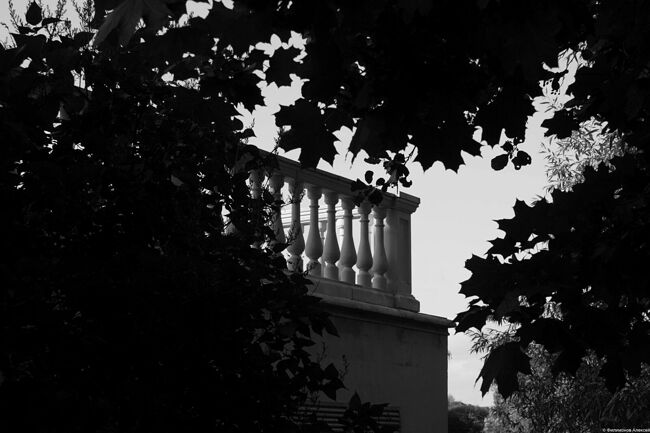
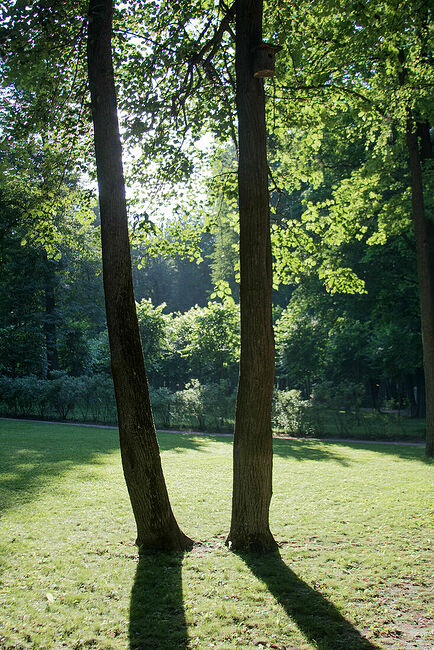
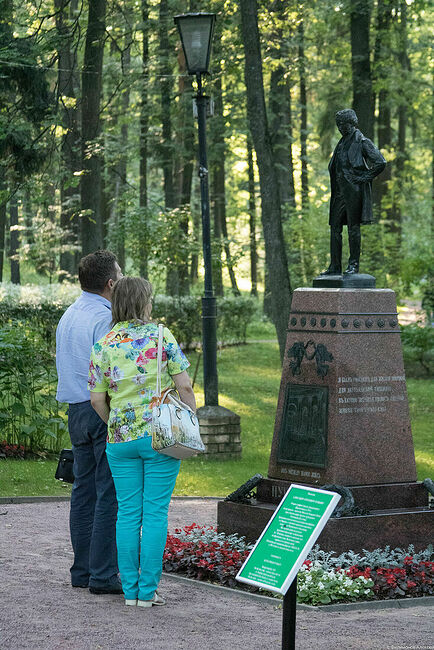
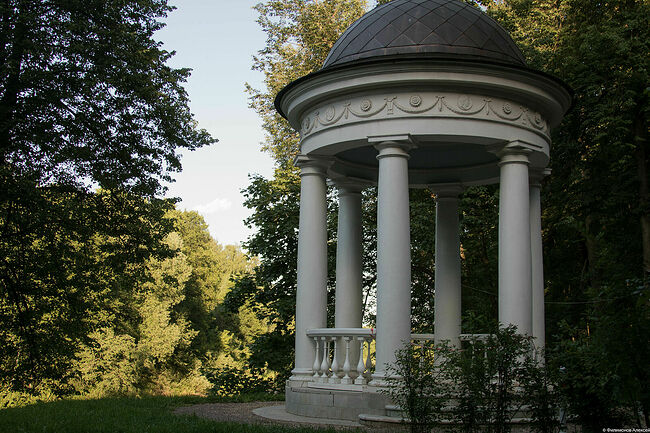
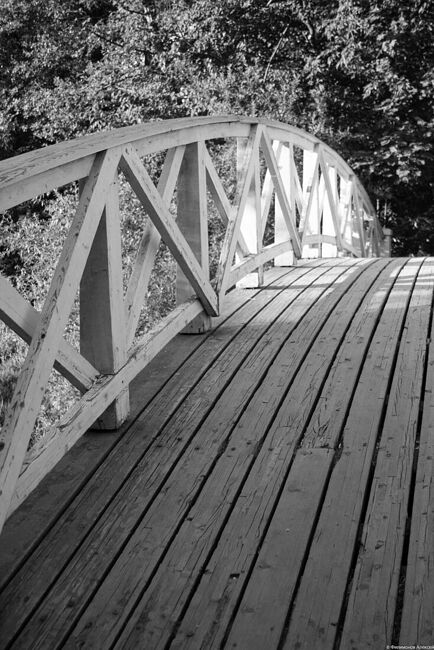
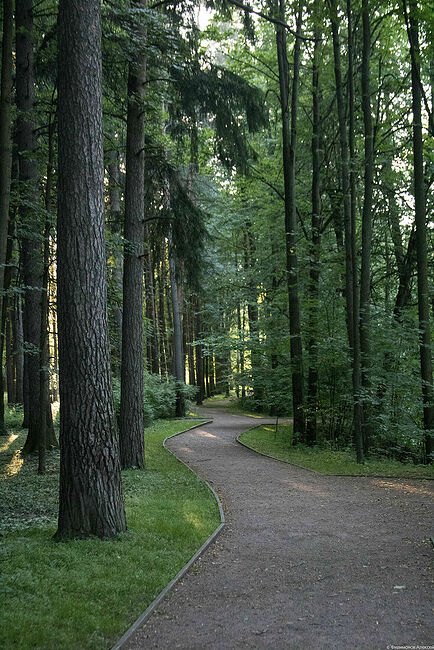
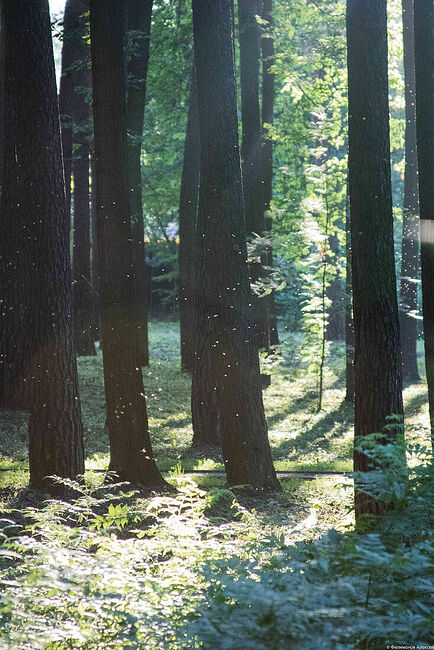
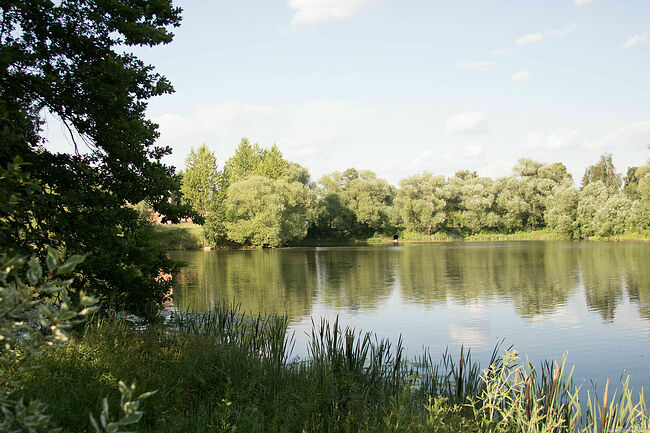
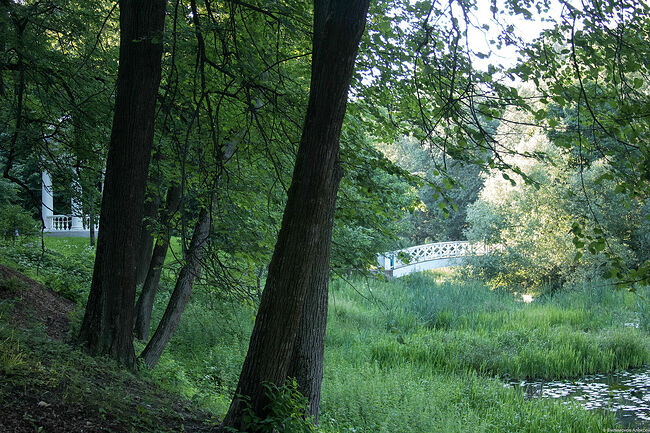
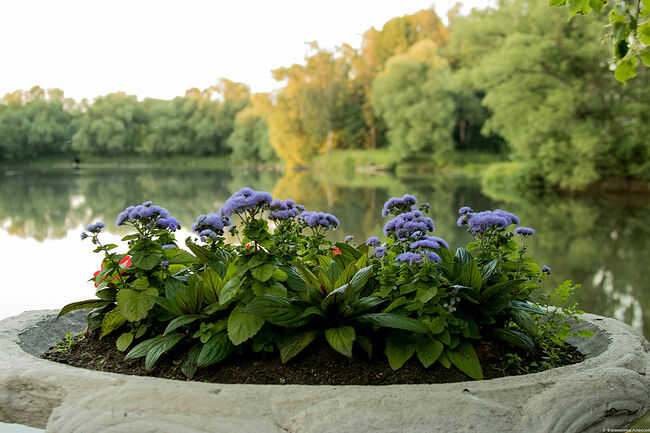
This is a very atmospheric place—it's even poetically called "Russian Parnassus."
The place has long been known: the first mention dates back to 1340 (on the lands of Ivan Kalita). In the 17th century, the estate was founded by Prokopy Lyapunov. Later, various owners passed through the estate: the Lvov clerks, Count Apraksin, and in 1751, the merchant Kozma Matveyev purchased the estate, laying the foundations of the complex.
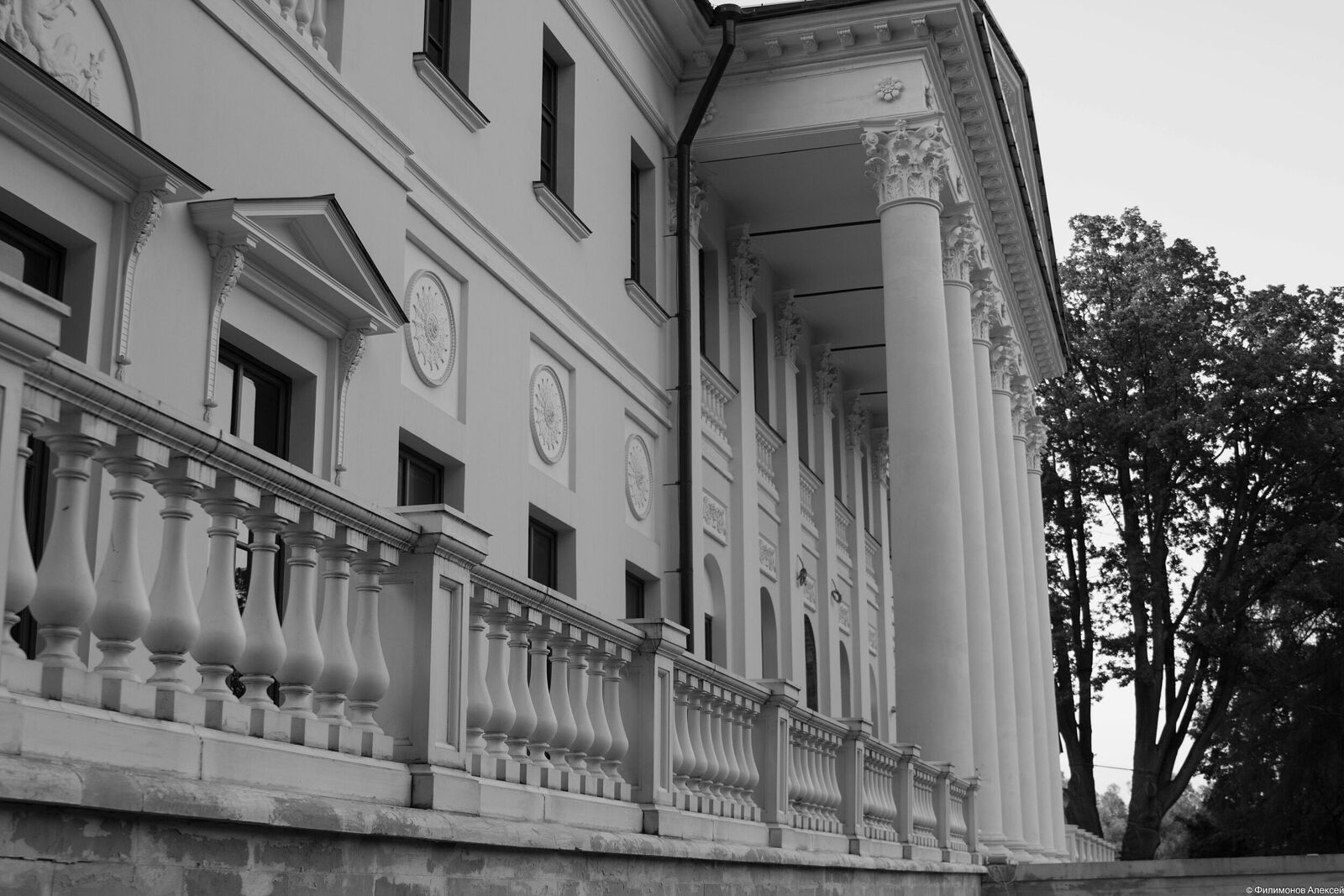
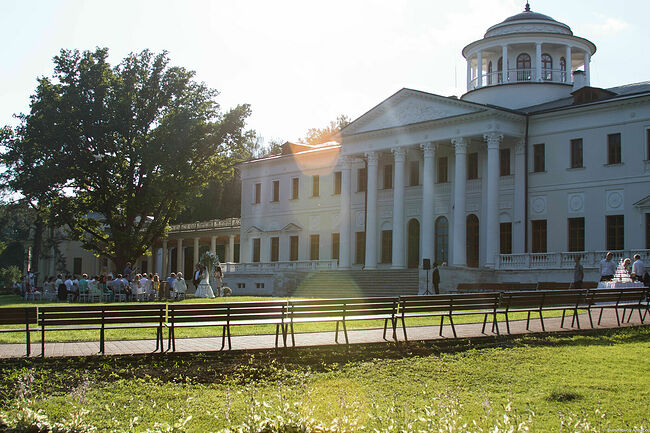
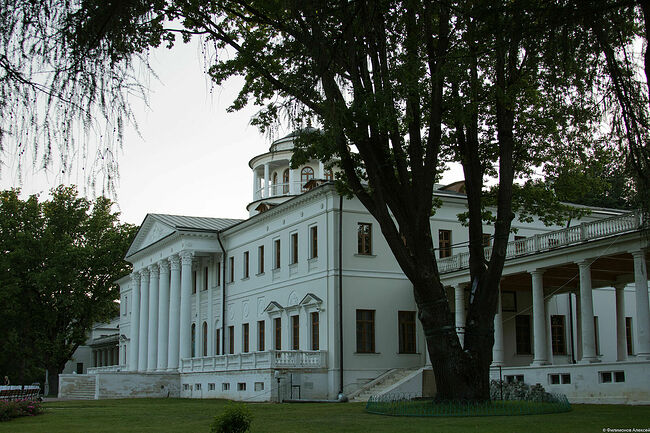
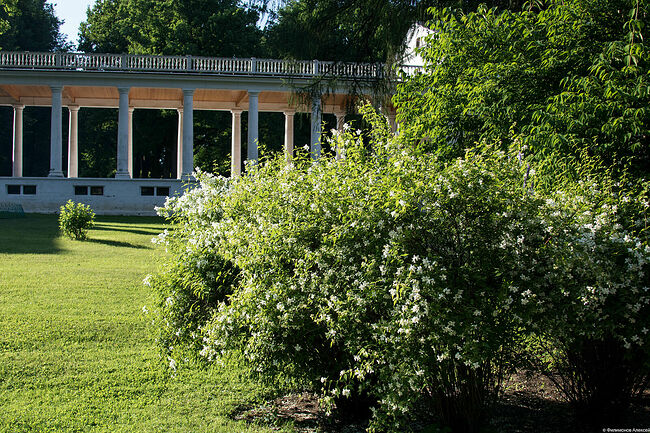
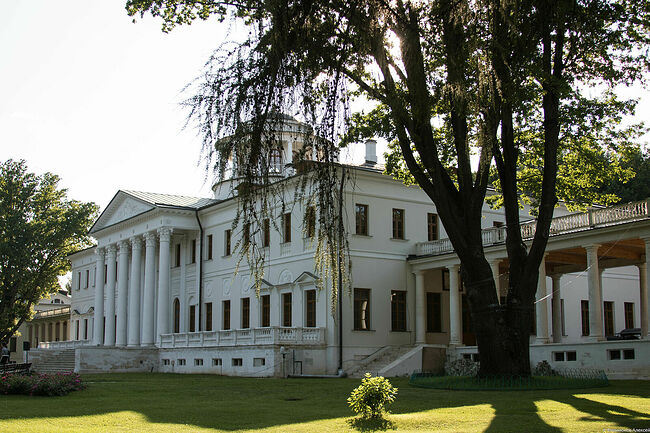
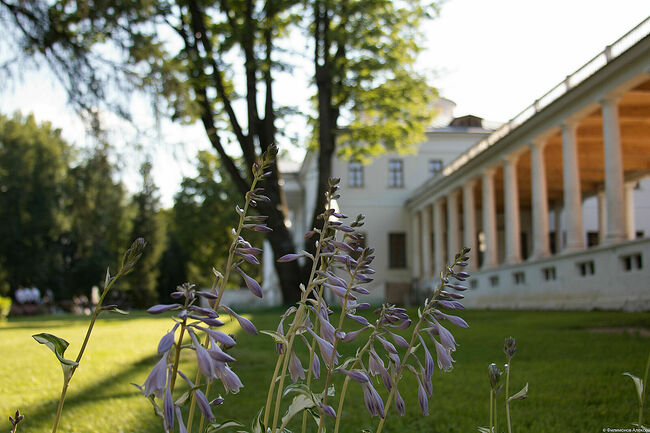
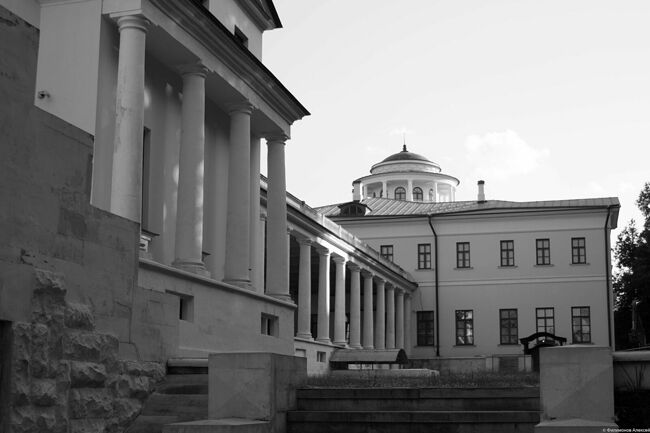
The estate truly flourished under Prince Andrei Vyazemsky (from 1793). He built a classical palace on the site of the old buildings, with wings connected by a colonnaded gallery. Under him and his son, the poet Pyotr Vyazemsky, the estate became a center of cultural life. Pushkin, Zhukovsky, Griboyedov, Batyushkov, Gogol, and Turgenev visited here.
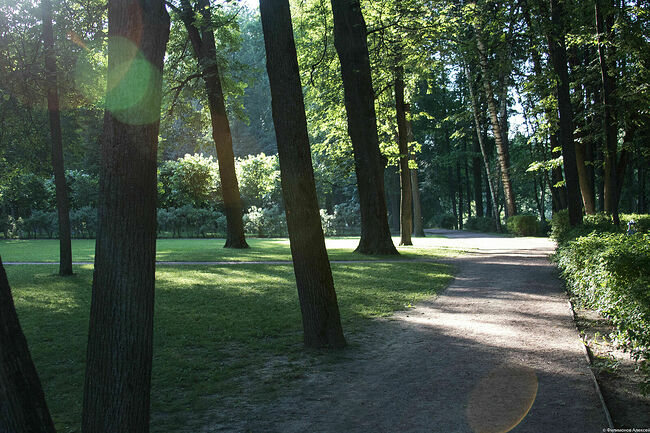
A special place is dedicated to Nikolai Karamzin. He married Andrei Vyazemsky's daughter and spent 12 years (1804–1816) at the estate. It was here that the historian wrote the first eight volumes of "The History of the Russian State." The park includes a "Karamzin" birch grove, where he strolled, and two "Karamzin oaks."
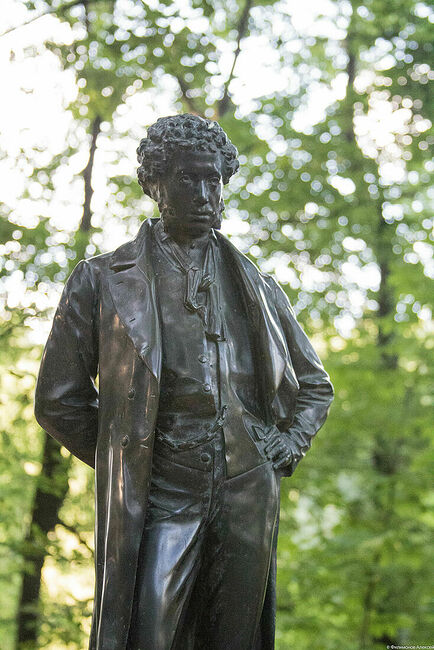
Later, the estate was inherited by Peter's son, Pavel Vyazemsky. He assembled a valuable art collection and created memorial rooms for Karamzin, Pushkin, and his father. In 1888, the estate passed to Count Sergei Sheremetev. In 1899, on Pushkin's centenary, he opened one of the first public Pushkin museums here.
Interesting fact: in 1803, Praskovia Gagarina, the first Russian woman to fly in a hot air balloon (along with André-Jacques Garnerin), landed on the Ostafyevo estate. The remains of the ball were kept in the estate for a long time.